RGV Truck Performance
RGV Truck Performance focuses on pickups that work — towing, payload and response under load, with the cooling and gearing a working truck needs before it needs another horsepower part.

RGV Truck Performance at a glance
- Transmission cooler, installed
- $320–$800
- Brake controller with wiring
- $200–$520
- Cold-air intake with filter
- $280–$680
- Cat-back exhaust for the tow truck
- $600–$1,600
RGV Truck Performance for trucks that actually work
RGV Truck Performance is the working-truck side of the performance counter. A pickup that tows a trailer, hauls material or runs a route has different needs from a street truck chasing a sound: it needs to hold a gear on a grade, keep its temperature down under load, and feel willing with weight on the ball. That changes the order of upgrades. Cooling and gearing come first, then airflow, then a tune that firms the shifts, and only then anything chasing peak power. We build trucks for the work they do, and we are honest that a louder exhaust is the last thing a working truck needs and often the least useful.
- Towing, payload and response under load come first
- Cooling and gearing before horsepower chasing
- A tune to firm shifts for loaded driving
- A louder exhaust is usually the least useful upgrade
Truck performance fitment by engine and duty
Working-truck performance is set by the engine and by the duty cycle, so we confirm both. A Ford F-150 with the 2.7 or 3.5 EcoBoost, a Chevy Silverado or GMC Sierra with the 5.3 or 6.2, a RAM 1500 with the HEMI or inline-six, and a Toyota Tundra or Tacoma each have different torque curves and cooling capacity. Duty matters too: a truck that pulls a heavy trailer daily needs more cooling and a firmer shift calibration than one that tows occasionally. We also check the axle ratio, because it decides how a loaded truck climbs far more than any bolt-on does.
- Ford F-150 2.7 and 3.5 EcoBoost tow packages
- Chevy Silverado and GMC Sierra 5.3 and 6.2 V8s
- RAM 1500 HEMI and inline-six turbo
- Toyota Tundra and Tacoma truck engines
- Duty cycle confirmed: heavy towing versus occasional
- Axle ratio checked, because it decides loaded climbing
Tow-side upgrades that earn their keep
A working truck benefits most from a handful of upgrades. A transmission cooler and a lower thermostat keep temperatures in range on a long grade. A brake controller and properly wired trailer brakes make a load safe to stop. An intake and a cat-back help the engine breathe and hold a gear. A tuner with a towing calibration firms the shifts and sharpens throttle. A helper spring or air bags correct a loaded stance. Each of these either protects the truck, helps it pull, or makes it safer, which is a better test than whether it sounds good.
- Transmission cooler and lower thermostat for heat control
- Brake controller and wired trailer brakes for safety
- Intake and cat-back to help it breathe under load
- Tuner with a towing calibration for firmer shifts
- Helper spring or air bags to correct loaded stance
How a working-truck build is planned
We plan a working truck around its loads so the upgrades support the job rather than fight it.
-
Confirm the engine, axle ratio and typical trailer weight.
-
Check cooling first: transmission, engine and intercooler.
-
Add brake control and wiring if the truck tows.
-
Fit airflow parts that help it hold a gear.
-
Write a towing calibration for the installed hardware.
-
Correct the loaded stance if it squats.
-
Test loaded on a grade and check temperatures.
What truck performance work costs
Working-truck upgrades are usually cheaper than a full performance build, because they skip the parts that only chase sound and peak power. A cooler is inexpensive, a brake controller is moderate, an intake and cat-back sit in the middle, and a tune adds a little more. The value shows up in how the truck pulls and stays cool, not in a dyno number. Every figure varies with the truck and the duty, so read each as a range until we see it and the load it pulls.
- Transmission cooler, installed
- $320–$800
- Brake controller with wiring
- $200–$520
- Cold-air intake with filter
- $280–$680
- Cat-back exhaust for the tow truck
- $600–$1,600
- Towing calibration or tuner
- $430–$880
- Air bags or helper spring, installed
- $350–$900
Who builds a working truck here
The working-truck audience is broad. Owners pulling a travel trailer want the truck to hold a gear and stay cool on long grades. Contractors hauling tools and material want response with weight in the bed. Small fleets running routes want reliability and consistent behavior from drivers. Owners who tow a boat or a side-by-side want a safer, easier tow. What they share is that the truck has a job, so every upgrade is judged on whether it helps that job. That is a different test from a show truck, and it is why we lead with cooling, gearing and brakes rather than exhaust volume.
- Travel-trailer owners wanting a cool, geared tow
- Contractors wanting response with weight in the bed
- Small fleets wanting reliability across drivers
- Boat and side-by-side owners wanting an easier tow
Why a working truck needs cooling before power
The fast way to shorten a working truck's life is to add power before adding cooling. More boost and more fuel make more heat, and a truck already running near its temperature limit under load has nowhere for that heat to go. That is why a transmission cooler, a lower thermostat and a healthy intercooler come before another horsepower part on a truck that pulls. Gearing matters for the same reason: an axle ratio that suits the loads lets the engine work in its efficient range instead of straining. On a working truck the honest performance advice is almost always the unglamorous one, and we give it plainly.
- Power before cooling shortens a working truck's life
- A truck near its heat limit has nowhere for more heat to go
- Transmission cooler and thermostat before more boost
- Gearing lets the engine work in its efficient range
More parts we supply
The rest of the catalog, priced by application.
-
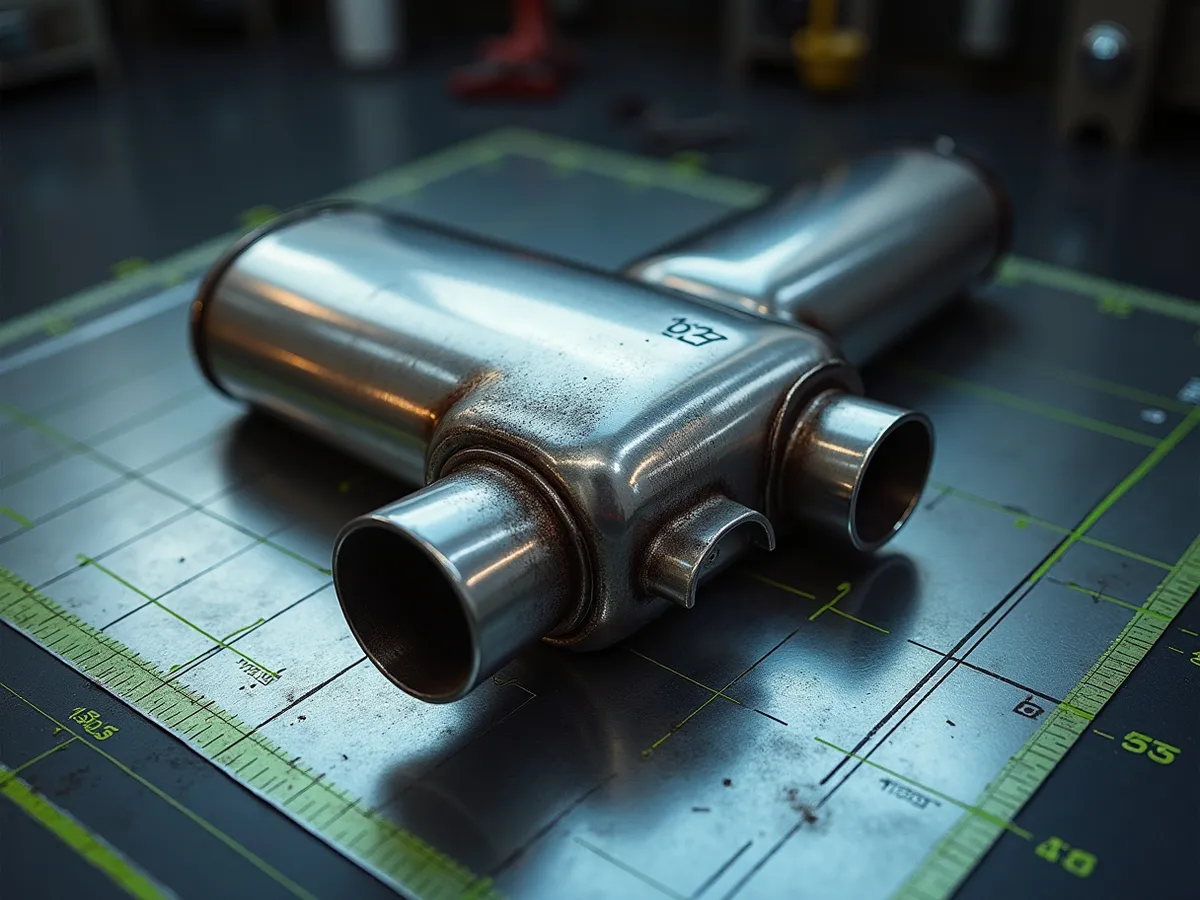
Black Widow 250 Muffler
The Black Widow 250 Muffler is a chambered performance muffler built to deepen a truck's exhaust note without the highway drone, fitted by application to your pipe size, offset and case length.
$120–$220 varies by year, make and trim
-
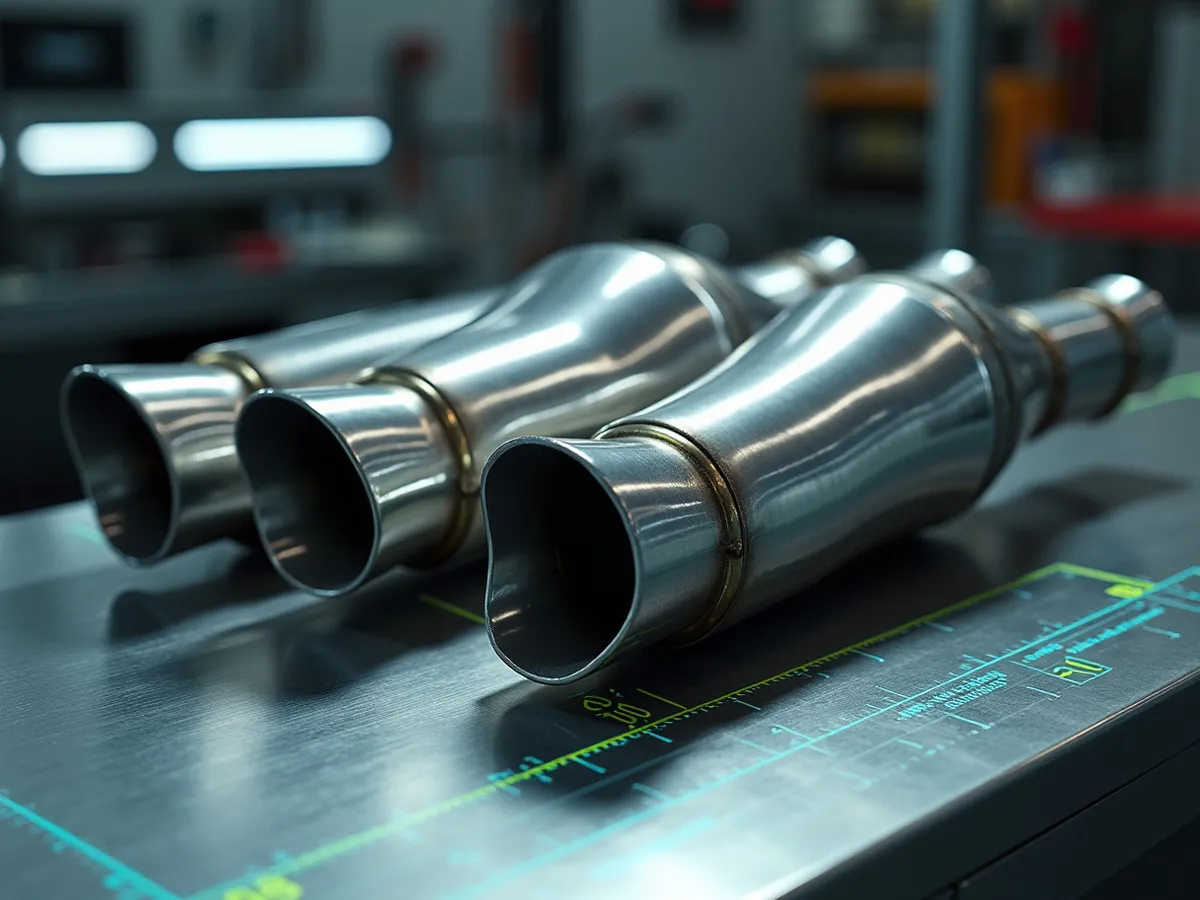
Black Widow Muffler
The Black Widow Muffler line covers a range of chambered and straight-through performance mufflers — a guide to which body suits your truck, what size to order and how each one sounds before you buy.
$120–$240 varies by year, make and trim
-
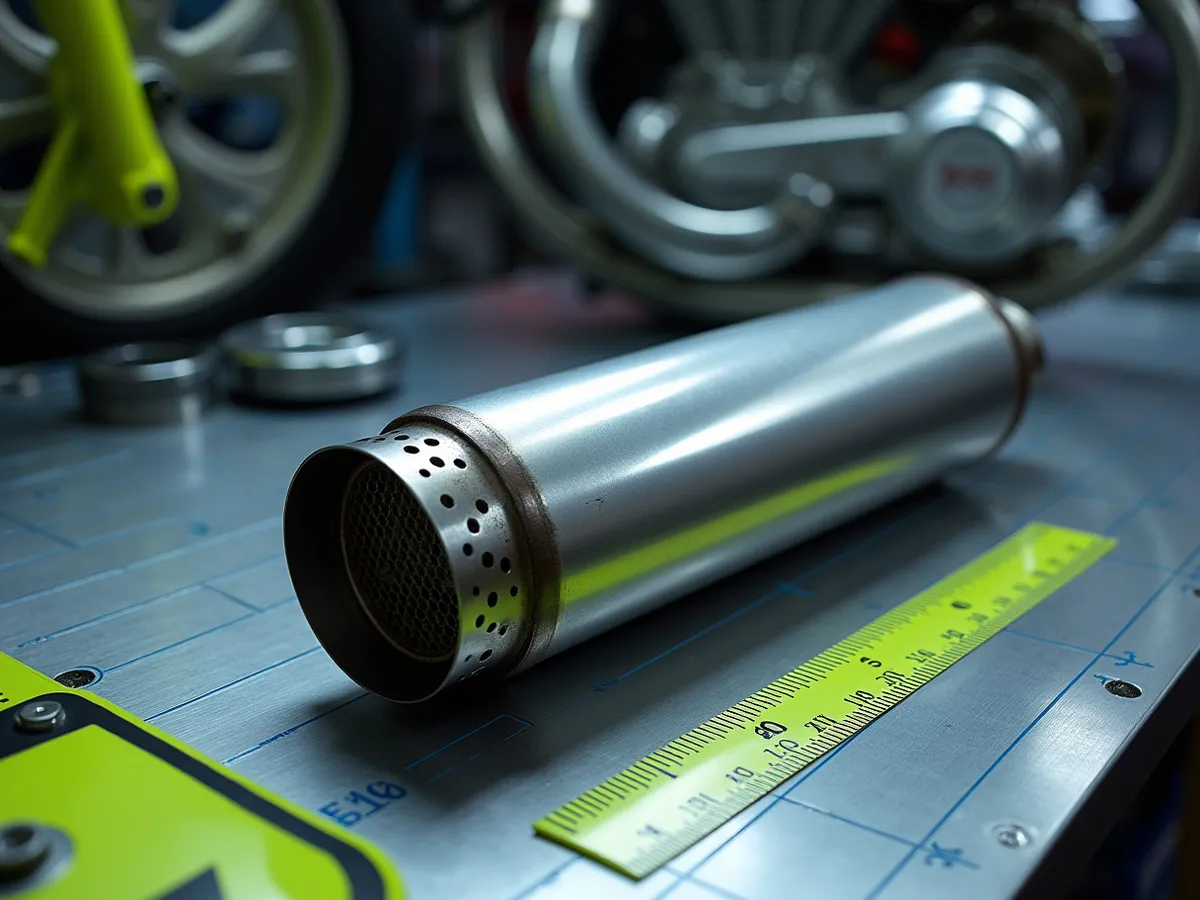
Dynomax Race Mini Bullet Muffler
The Dynomax Race Mini Bullet Muffler is a short, straight-through bullet muffler for race cars, hot rods and off-road trucks — a weld-in unit that cuts noise a little while keeping the flow a race engine needs.
$60–$130 varies by year, make and trim
-
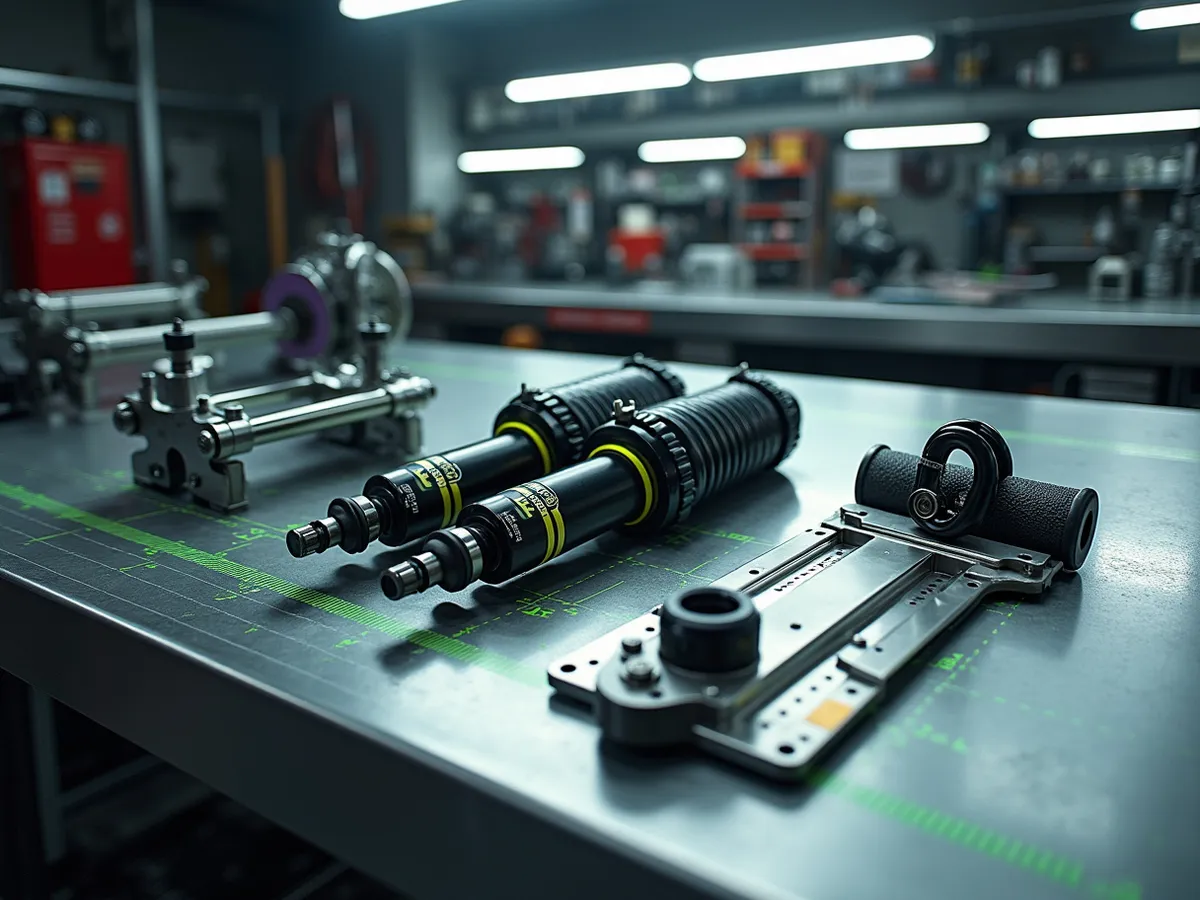
Four-Wheel-Drive Off-Road Parts
Four-wheel-drive off-road parts covering armor, recovery, lighting, suspension and tires — what each does, what fits your 4x4 and how an off-road build is sequenced so you buy it once.
$280–$850 varies by year, make and trim
-
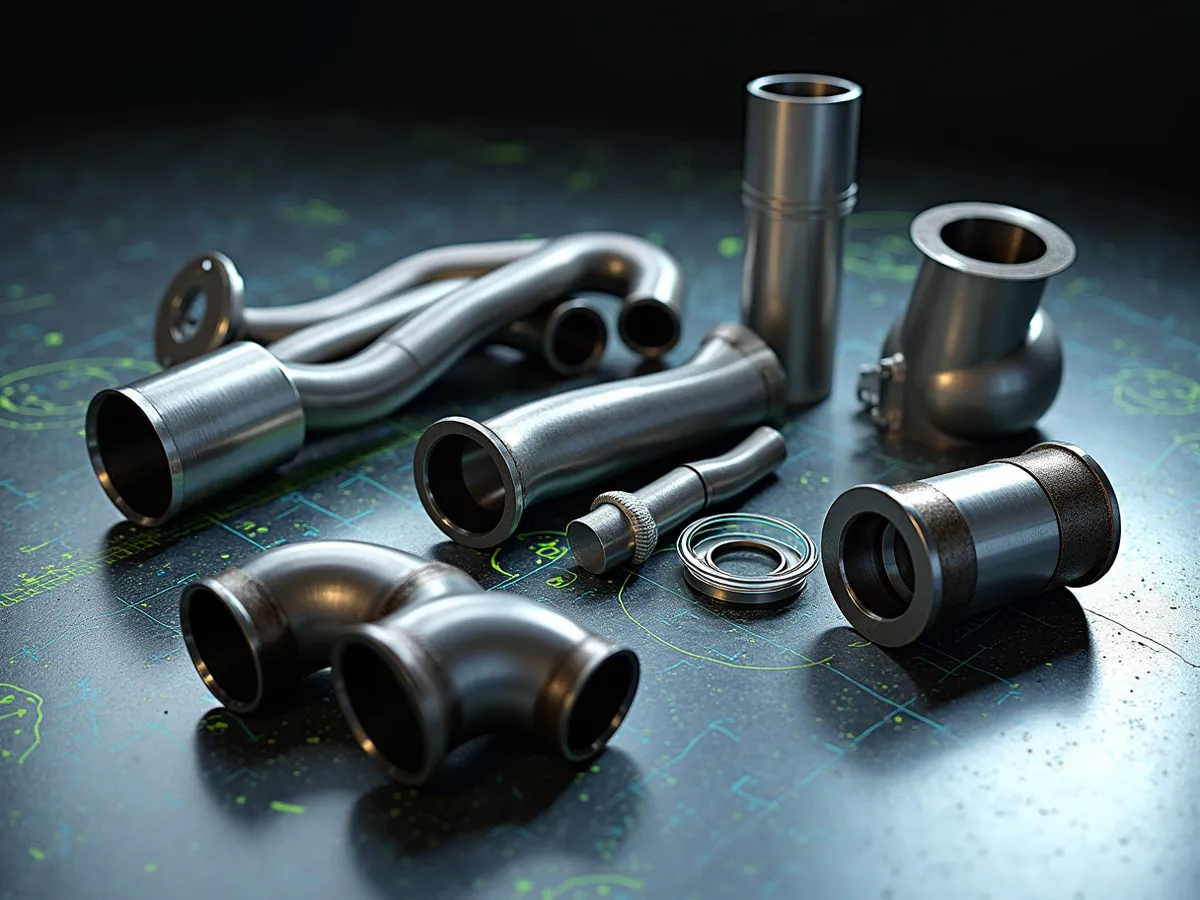
Four-Wheel-Drive Performance Parts
Four-wheel-drive performance parts covering intake, exhaust, headers, tuning and forced induction — where the real gain on a truck or 4x4 comes from and how to stack upgrades in the right order.
$280–$700 varies by year, make and trim
-
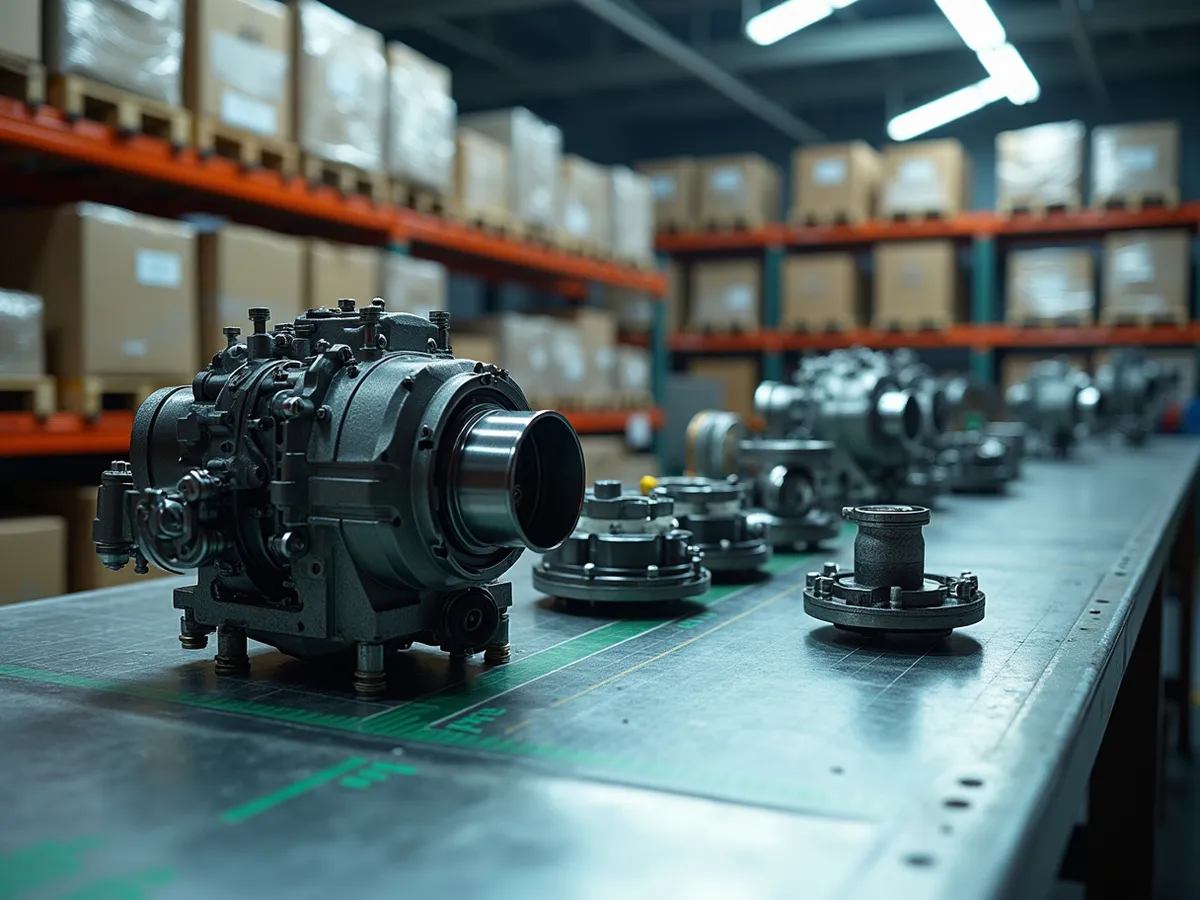
Four-Wheel Parts Wholesale
Four-wheel parts wholesale for shops, installers, fleets and resellers — how volume ordering works, what categories move in bulk and how wholesale pricing is quoted honestly as a range.
$180–$420 varies by year, make and trim
-
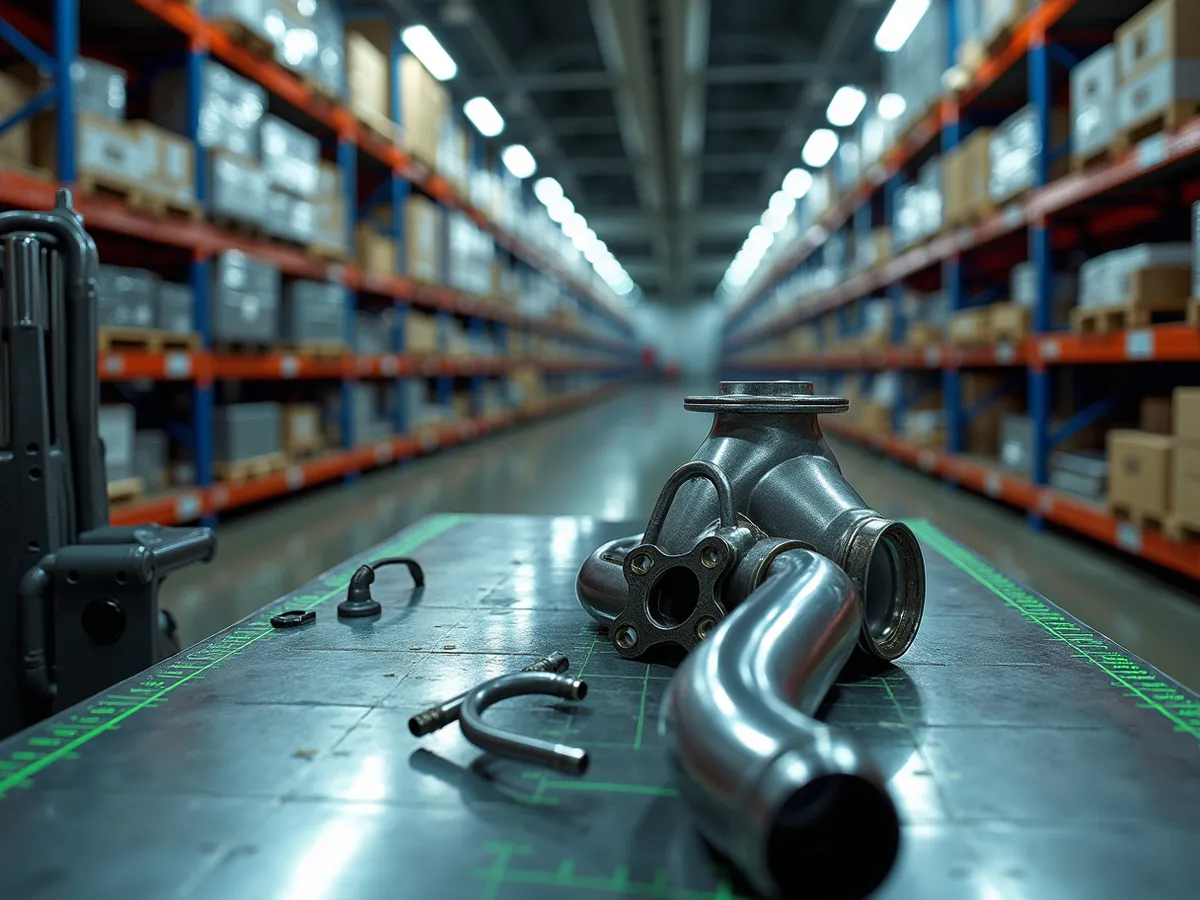
Four-Wheel Parts Wholesalers
Four-wheel parts wholesalers explained — how the parts trade sources through distributors and importers, how backorders are handled and how a shop or owner gets a part that is not on a retail shelf.
$180–$450 varies by year, make and trim
-
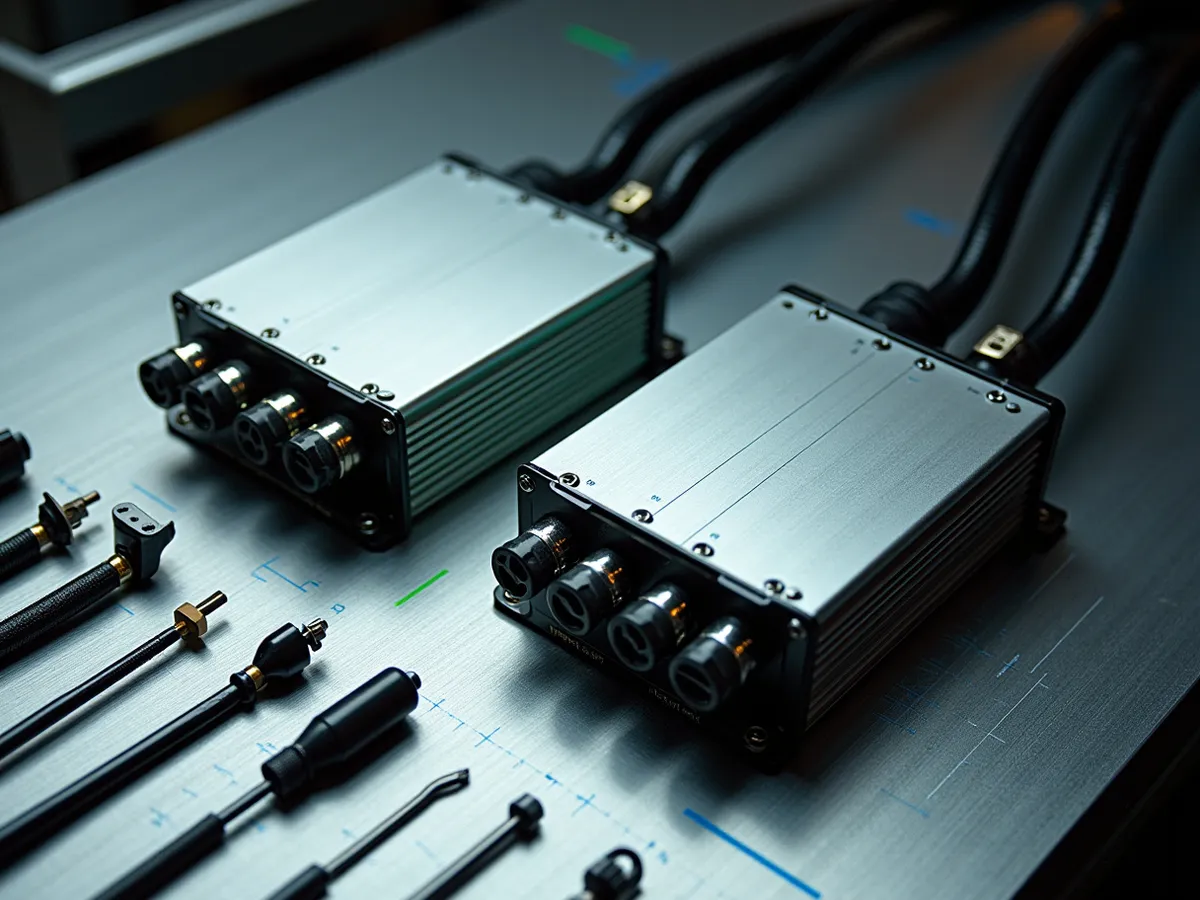
Hidden Performance Tuning
Hidden performance tuning is the quiet side of going faster — tunes, throttle controllers and intake work that add response without a loud exhaust or a visible part, for owners who want the gain, not the noise.
$180–$420 varies by year, make and trim


The parts counter
How an order runs here.
-
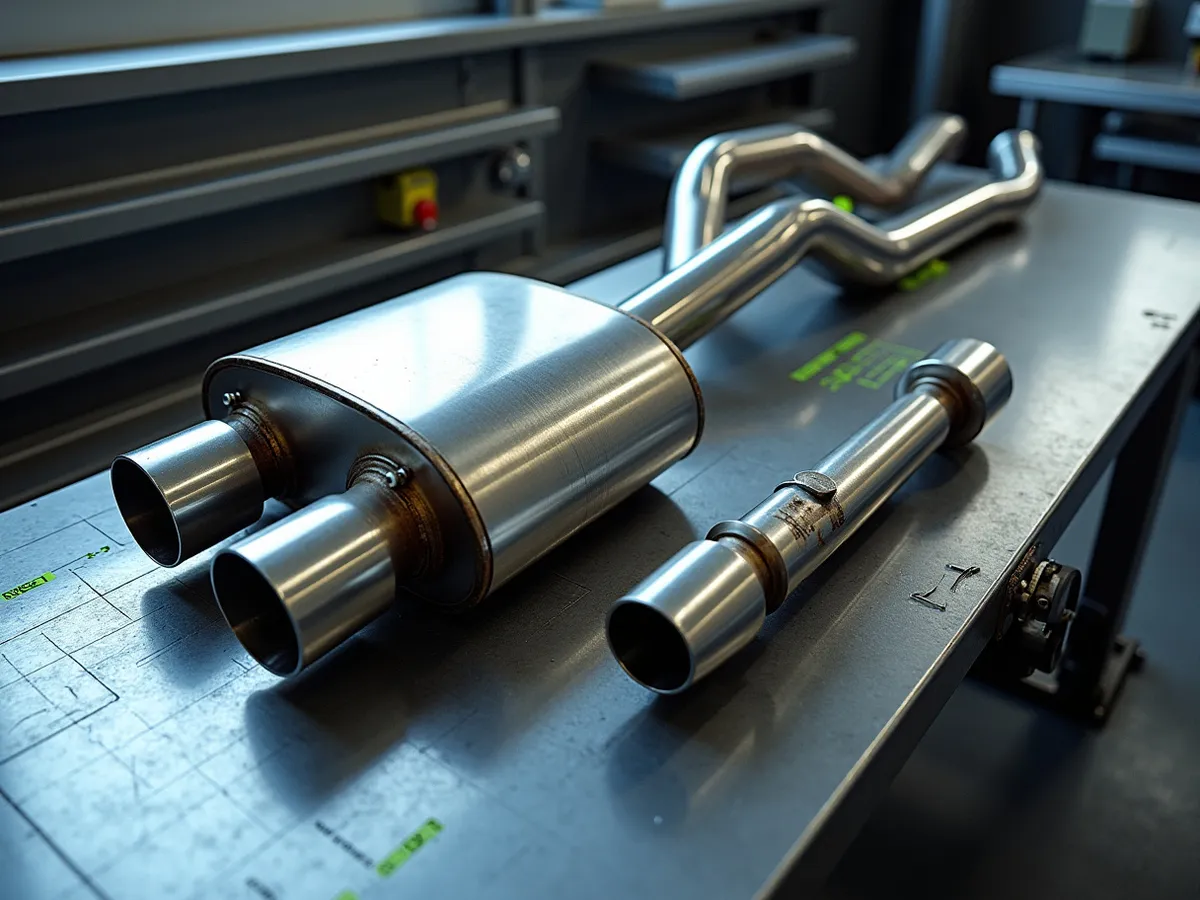
Performance Exhaust Systems
Cat-back and axle-back exhaust systems we stock and special-order for trucks and SUVs, plus chambered and straight-through mufflers, headers and tips, all matched to your engine and pipe size before a part is bought.
-
4-Wheel Parts Near Me
Four-wheel-drive parts for the driveline — hubs, CV axles, driveshafts, differentials, transfer-case service parts and lockers — stocked or special-ordered and confirmed against your axle and trim before anything is bought.
-
4x4 Parts and Accessories Near Me
The bolt-on side of a 4x4 build — bumpers, sliders, skid plates, roof racks, lighting, winches and step bars — supplied and fitted so the accessory matches the body, the sensors and the load you carry.
-
4x4 Parts Near Me
The performance and capability side of a 4x4 — suspension and lift components, lockers, gearing, wheels and tires and recovery basics — supplied and confirmed against your axle, springs and trim before a part is ordered.
-
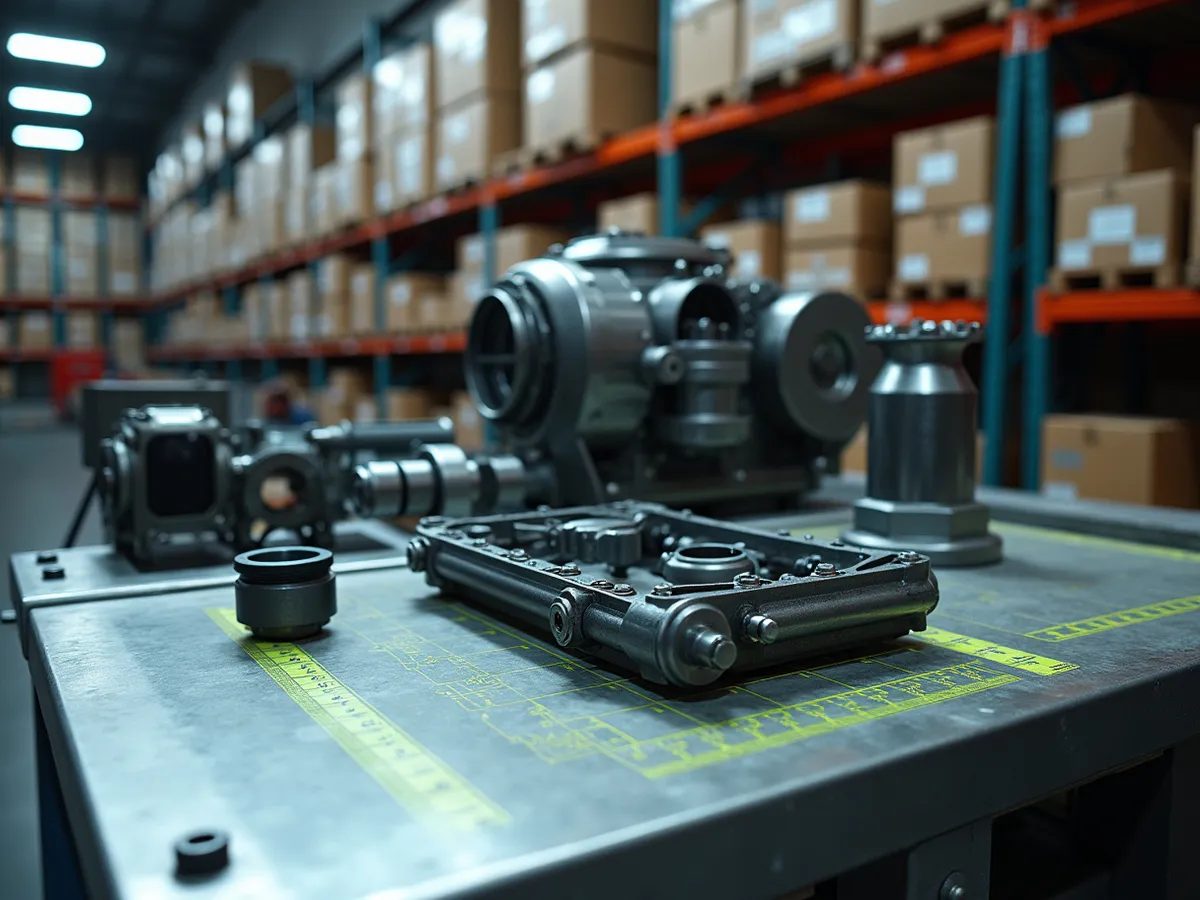
Offroad Parts Near Me
Offroad and overland parts chosen for the trail — recovery gear, shocks and long-travel suspension, lighting, on-board air and comms — supplied and matched to how far off the pavement your rig is asked to go.
-
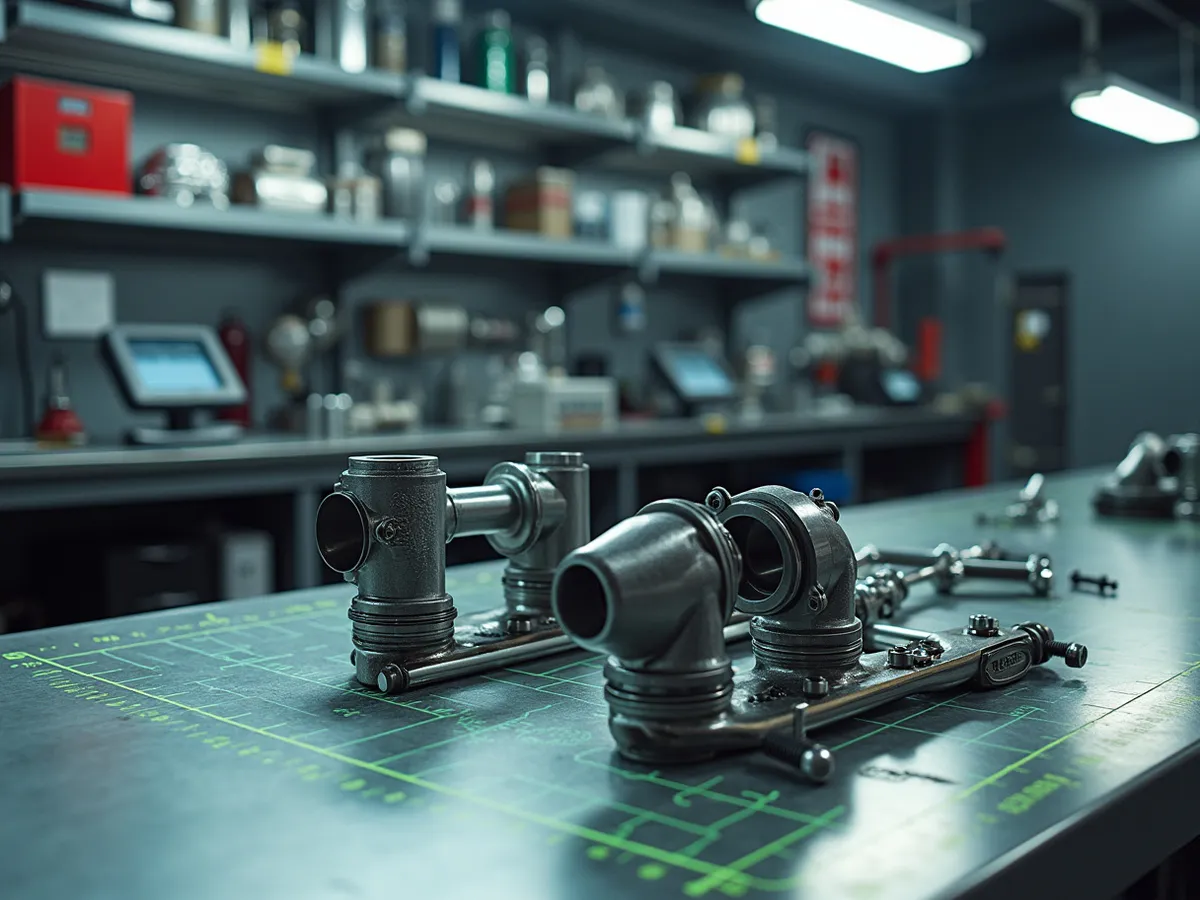
Truck Part Stores Near Me
The counter side of truck parts — brakes, filters, belts, batteries, exhaust and suspension replacements, plus performance and accessory orders — stocked or brought in and confirmed against your engine, axle and trim.


Parts and performance guides
Plain answers before you order anything.
-
Exhaust System Cost Guide
A complete exhaust job on a truck or SUV runs from about $180 for a muffler swap to $1,900 for a stainless cat-back with headers, and most single-system jobs land between $400 and $1,100 installed.
-
How to Choose 4x4 Parts
Choosing 4x4 parts starts with the application, not the price tag, because a part that fits your axle, springs and tires is worth more than a cheaper one that almost works.
From the bay


Questions about this part
What should I upgrade first on a towing truck?
Cooling and brakes, usually. A transmission cooler and a properly wired brake controller make a loaded truck safer and longer-lived before any power part helps.
Will a tune help me tow?
Yes, a towing calibration firms the shifts and sharpens throttle under load, which many owners feel immediately. It is not about peak power for a working truck.
Do I need a bigger axle ratio?
Sometimes. If the truck strains to hold speed loaded, the ratio may be mismatched to the load. We check it before recommending bolt-ons.
Is a louder exhaust worth it on a work truck?
Rarely. A cat-back helps it breathe a little, but volume is the least useful part of a working-truck build, and drone on long drives wears on a driver.
How do you keep temperatures down?
With a transmission cooler, a lower thermostat and a healthy intercooler, plus a tune that does not push the engine past its heat limit under load.
Can you correct a truck that squats when loaded?
Yes, with helper springs or air bags. We correct the loaded stance rather than just leveling the truck empty, because the loaded height is what matters.
Why drivers buy their parts from RGV 4x4 Supplies
- Parts confirmed against your exact year, engine, axle and trim before ordering.
- A written estimate that separates the part, the hardware and the fitting.
- A shelf that stocks the everyday repair and orders the performance part in.
- A fitment check after the first miles, because clamps and seals settle.
Request a parts quote
Tell us the truck and what part you need.