Four-Wheel Parts Wholesalers
Four-wheel parts wholesalers explained — how the parts trade sources through distributors and importers, how backorders are handled and how a shop or owner gets a part that is not on a retail shelf.

Four-Wheel Parts Wholesalers at a glance
- Intake sourced wholesale
- $180–$450
- Cat-back exhaust sourced wholesale
- $420–$1,250
- Suspension or lift parts sourced wholesale
- $250–$900
- Hard-to-find trim or bracket part
- $60–$400
Four-wheel parts wholesalers and how the trade really sources parts
Behind every part on a retail shelf is a wholesaler or a distributor, and understanding that chain is the difference between finding a part and being told it does not exist. A wholesaler buys in bulk from a manufacturer or an importer and breaks that stock into the quantities a shop or a reseller can use. That is why a part can be out of stock at one place and available at another, and why a good source is worth more than a low price. This page explains how the chain works, how we plug into it, and how backorders and cross-sourcing are handled so a build does not stall over a single part.
- Wholesalers buy bulk and break stock into usable quantities
- Availability differs by source, not by brand alone
- A reliable source beats the lowest price on a rare part
- Backorders and cross-sourcing handled so a build keeps moving
Fitment data across the wholesale catalog
The hardest part of sourcing through wholesalers is matching a part to a vehicle, because wholesale catalogs list applications in broad strokes. We keep decoded fitment for the mainstream 4x4 and truck platforms, so a part sourced from a wholesaler can be confirmed against the exact year, engine and trim before it ships. That matters on the common families, where a Ford F-150, a Chevy Silverado, a GMC Sierra, a RAM 1500, a Toyota Tacoma or Tundra, a Jeep Wrangler or Gladiator and a Nissan Frontier each run several engines and packages. Correct fitment is what turns a wholesaler part into a part that fits.
- Decoded fitment kept for mainstream 4x4 and truck platforms
- Year, engine and trim confirmed before shipping
- Ford F-150, Ranger, Bronco and Maverick applications
- Chevy Colorado, Silverado and GMC Canyon and Sierra
- Toyota Tacoma, Tundra, 4Runner and Jeep Wrangler, Gladiator
- RAM 1500, Nissan Frontier and Honda Ridgeline
Sourcing routes a wholesaler use
Parts reach a wholesaler through several routes, and knowing them helps when one dries up. Factory-direct sourcing gets the newest fitments at a set price. Distributor sourcing adds a layer but widens the brand range. Importer sourcing brings overseas components in bulk, which is where value parts often live. Local jobber networks fill gaps fast when a part is needed today. A good source juggles all four, so when a factory line is back-ordered it can reach a distributor, and when a distributor is dry it can reach an importer or a local jobber.
- Factory-direct for newest fitments and set pricing
- Distributor sourcing for a wider brand range
- Importer sourcing for value components in bulk
- Local jobber networks for same-day gap filling
- Juggling routes when one goes back-ordered
How a sourced part gets to you
Sourcing a part through the wholesale chain follows a sequence we run for every hard-to-find order.
-
Take the exact vehicle and the part you need.
-
Decode the fitment and confirm the application.
-
Search the available wholesale sources for stock.
-
State the price and the lead time as a range up front.
-
Cross-source an alternative if the first is back-ordered.
-
Inspect the part when it arrives and match it to the vehicle.
-
Fit or hand off with the fitment confirmed before money moves.
What sourcing through wholesalers costs
Wholesale pricing varies and is a range, because the same category can come from a factory line, a distributor or an importer at different prices, and freight moves with weight and distance. A hard-to-find part often costs a little more than a mass-market one because it is sourced specially, and an expedited lead time adds again. We show the part price and the freight separately so the total is honest rather than padded. Read every figure as a range until we quote the specific part.
- Intake sourced wholesale
- $180–$450
- Cat-back exhaust sourced wholesale
- $420–$1,250
- Suspension or lift parts sourced wholesale
- $250–$900
- Hard-to-find trim or bracket part
- $60–$400
- Expedited lead time adds a freight premium
- Freight shown separately by weight and destination
Why shops and owners use wholesalers
Shops use wholesalers so they do not have to carry every part they might need, freeing cash for the categories that move. Resellers use them to offer a wide catalog without holding deep stock. Owners use them, usually indirectly, when a part is not on a retail shelf or a local counter cannot get it. What all three gain is reach: the wholesale chain exposes fitments and brands a single retail store would never stock. The trade-off is lead time, which is why a good source always gives an honest number before you commit.
- Shops avoiding carrying every possible part
- Resellers offering a wide catalog without deep stock
- Owners needing a part no local counter carries
- Reach across fitments and brands a single store cannot hold
Lead times and backorders, honestly
The honest reality of wholesale is that lead times move and backorders happen, especially on new fitments and low-volume parts. What separates a good source is not that it never has a backorder, but that it tells you about one early and offers a real alternative. If a cat-back is on a factory back-order, we say so and price a distributor unit or a comparable brand instead of taking a deposit for an indefinite wait. We treat a lead time as a range and update it as it changes, because a shop that plans work around a part needs the truth more than optimism.
- Lead times move, especially on new and low-volume fitments
- Backorders disclosed early, with a real alternative offered
- Comparable brand priced when a factory line is dry
- Lead time given as a range and updated as it changes
More parts we supply
The rest of the catalog, priced by application.
-
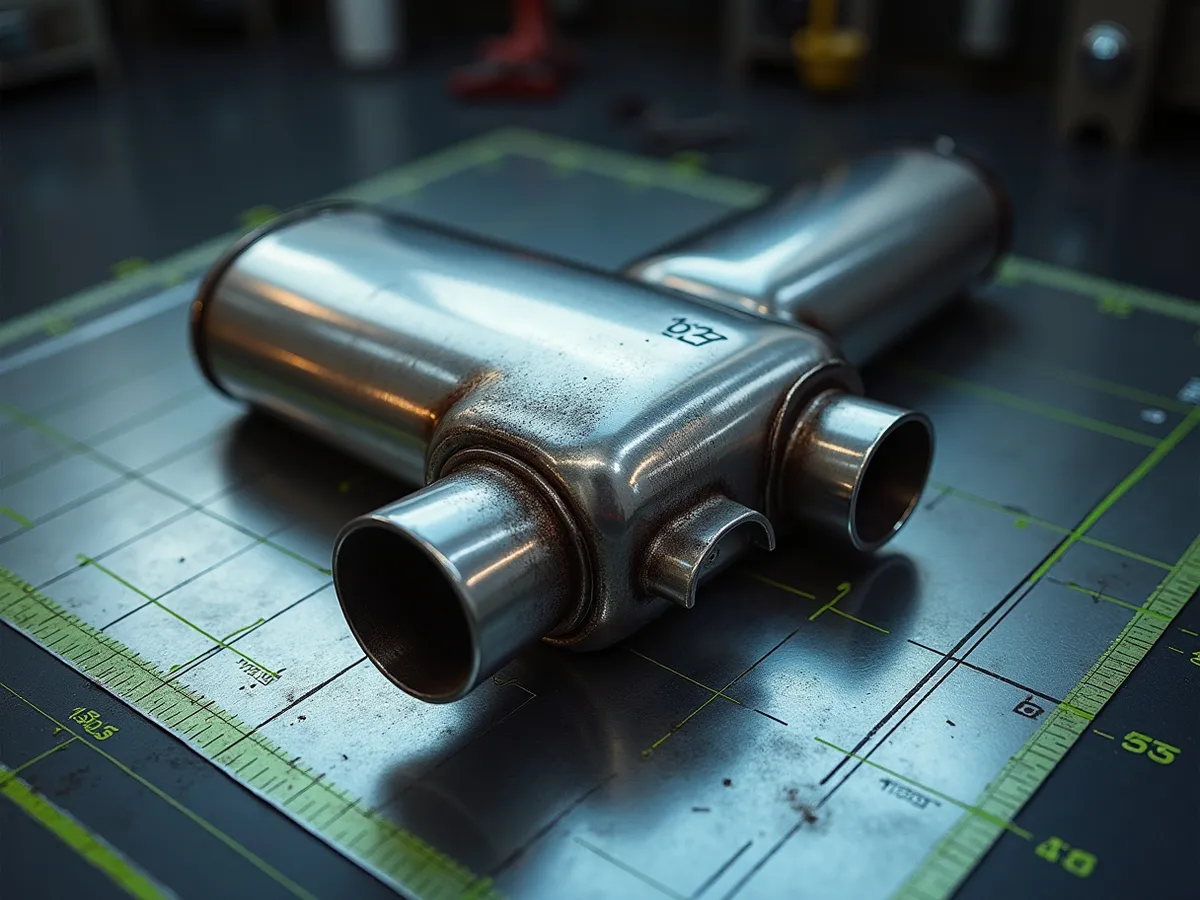
Black Widow 250 Muffler
The Black Widow 250 Muffler is a chambered performance muffler built to deepen a truck's exhaust note without the highway drone, fitted by application to your pipe size, offset and case length.
$120–$220 varies by year, make and trim
-
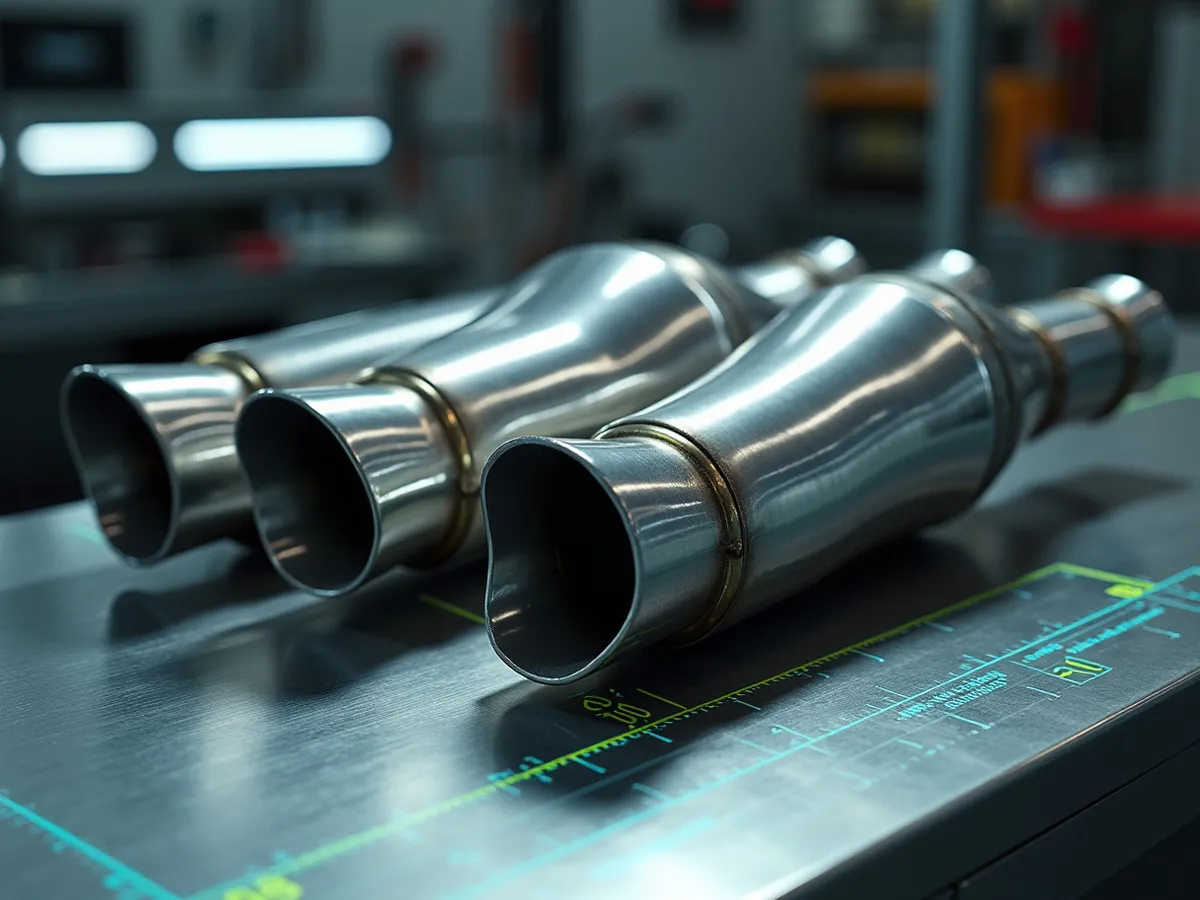
Black Widow Muffler
The Black Widow Muffler line covers a range of chambered and straight-through performance mufflers — a guide to which body suits your truck, what size to order and how each one sounds before you buy.
$120–$240 varies by year, make and trim
-
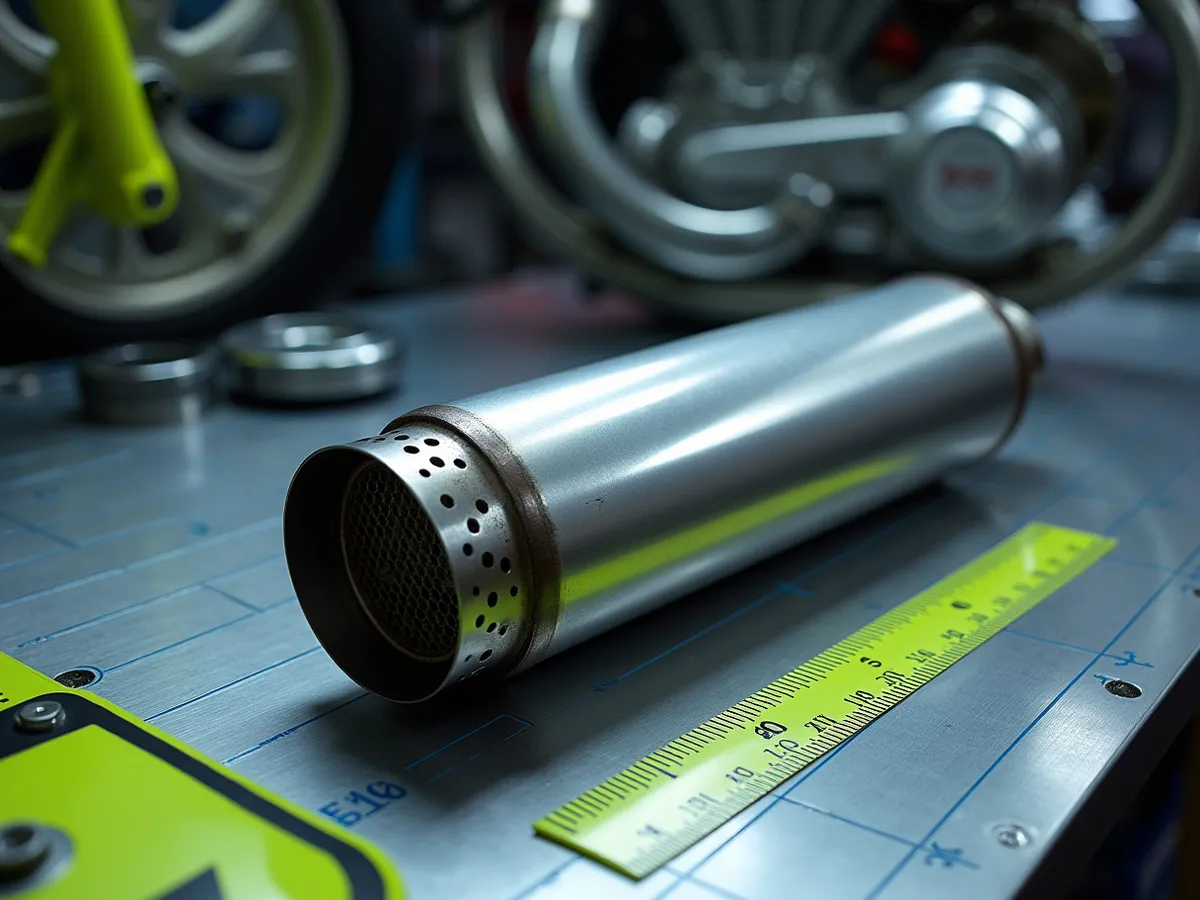
Dynomax Race Mini Bullet Muffler
The Dynomax Race Mini Bullet Muffler is a short, straight-through bullet muffler for race cars, hot rods and off-road trucks — a weld-in unit that cuts noise a little while keeping the flow a race engine needs.
$60–$130 varies by year, make and trim
-
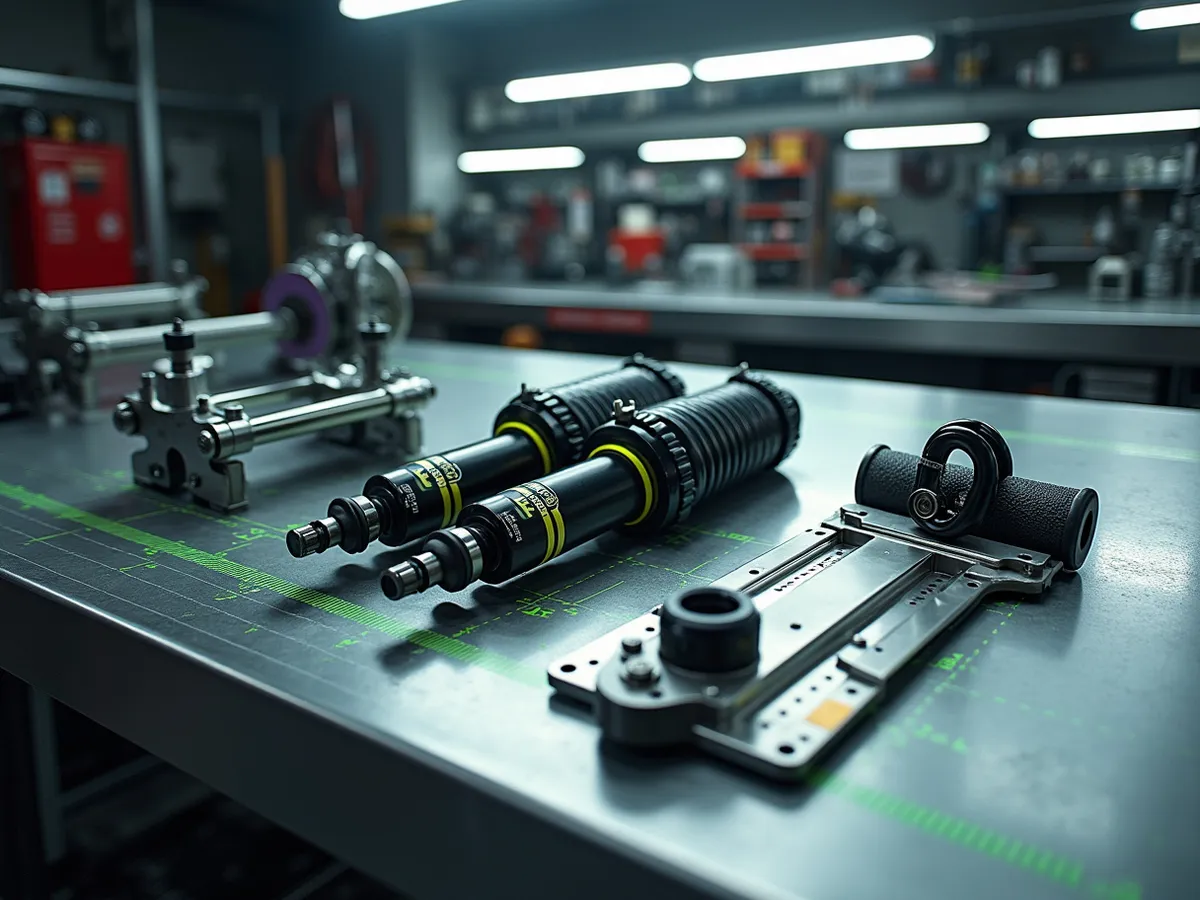
Four-Wheel-Drive Off-Road Parts
Four-wheel-drive off-road parts covering armor, recovery, lighting, suspension and tires — what each does, what fits your 4x4 and how an off-road build is sequenced so you buy it once.
$280–$850 varies by year, make and trim
-
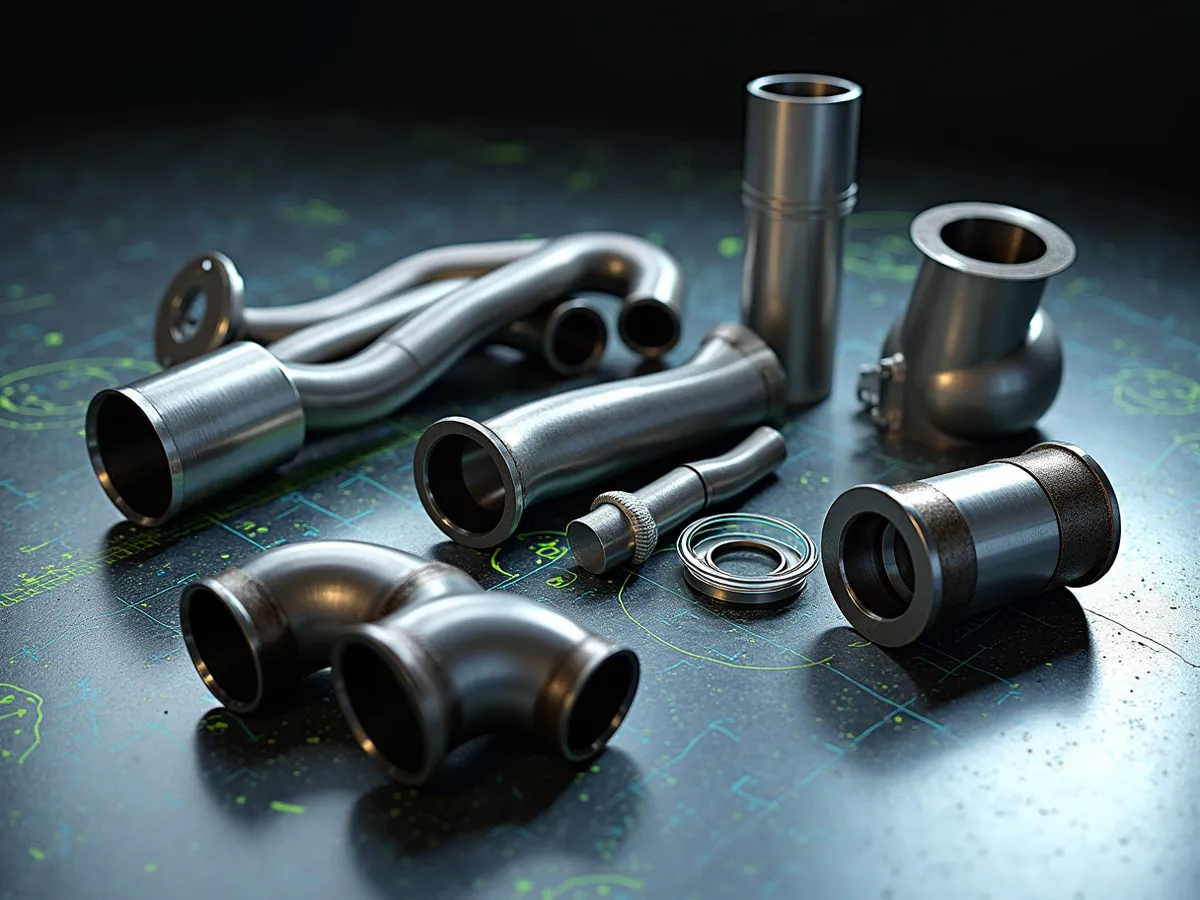
Four-Wheel-Drive Performance Parts
Four-wheel-drive performance parts covering intake, exhaust, headers, tuning and forced induction — where the real gain on a truck or 4x4 comes from and how to stack upgrades in the right order.
$280–$700 varies by year, make and trim
-
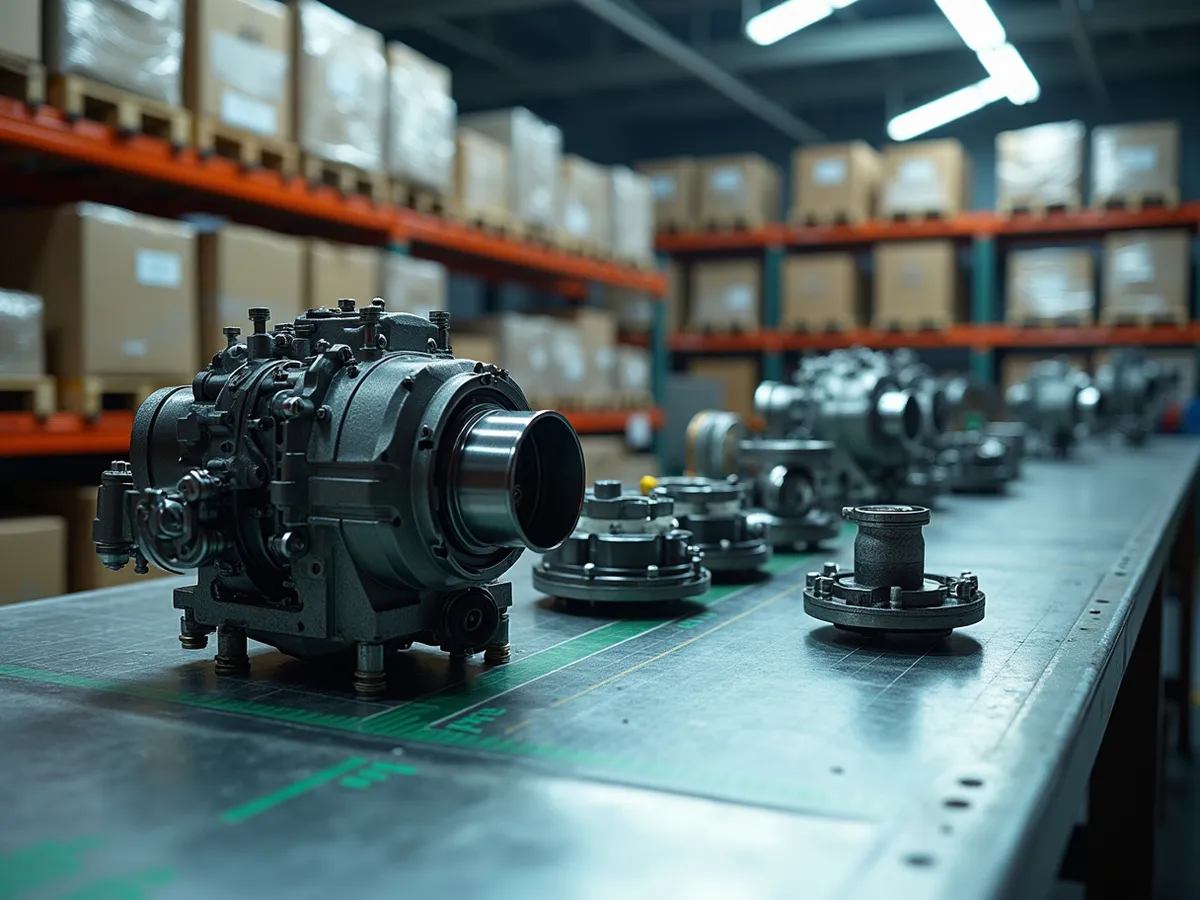
Four-Wheel Parts Wholesale
Four-wheel parts wholesale for shops, installers, fleets and resellers — how volume ordering works, what categories move in bulk and how wholesale pricing is quoted honestly as a range.
$180–$420 varies by year, make and trim
-
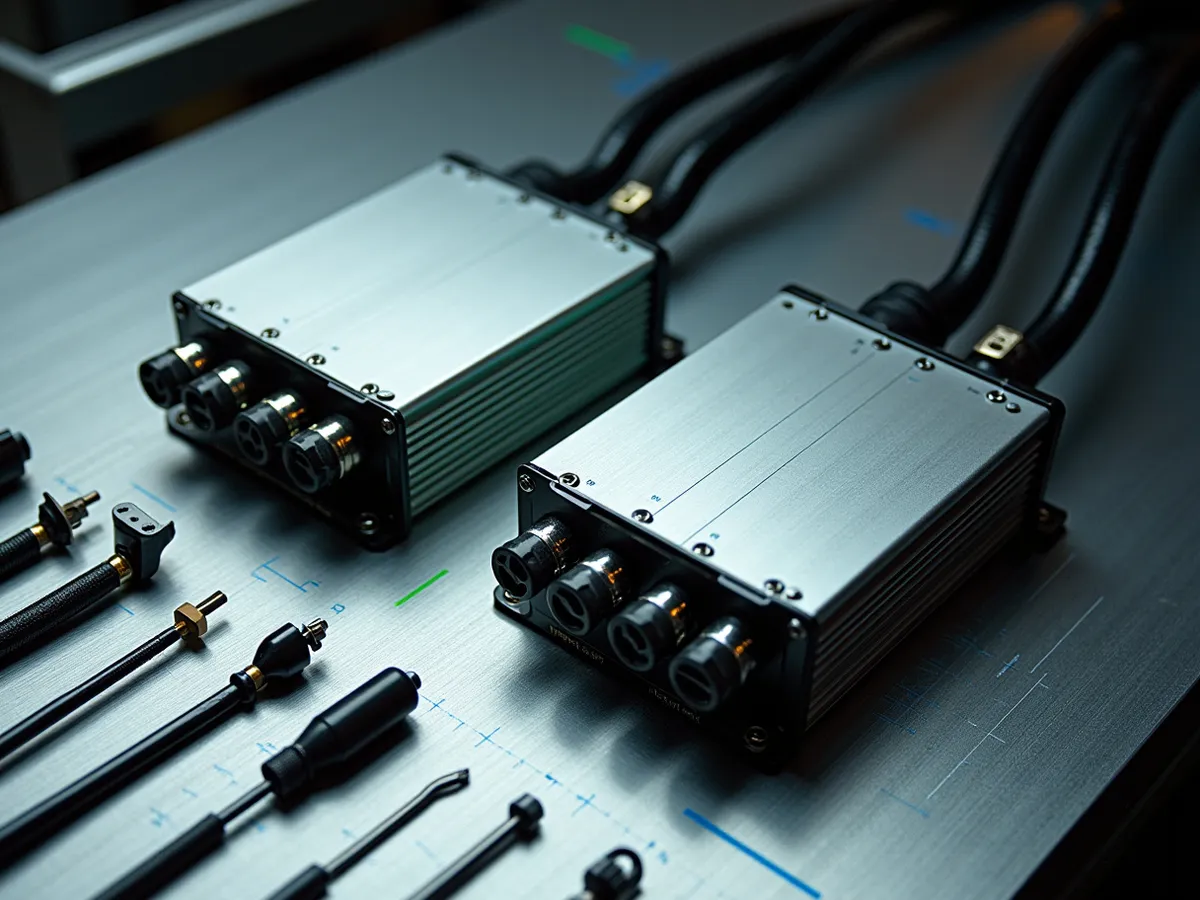
Hidden Performance Tuning
Hidden performance tuning is the quiet side of going faster — tunes, throttle controllers and intake work that add response without a loud exhaust or a visible part, for owners who want the gain, not the noise.
$180–$420 varies by year, make and trim
-
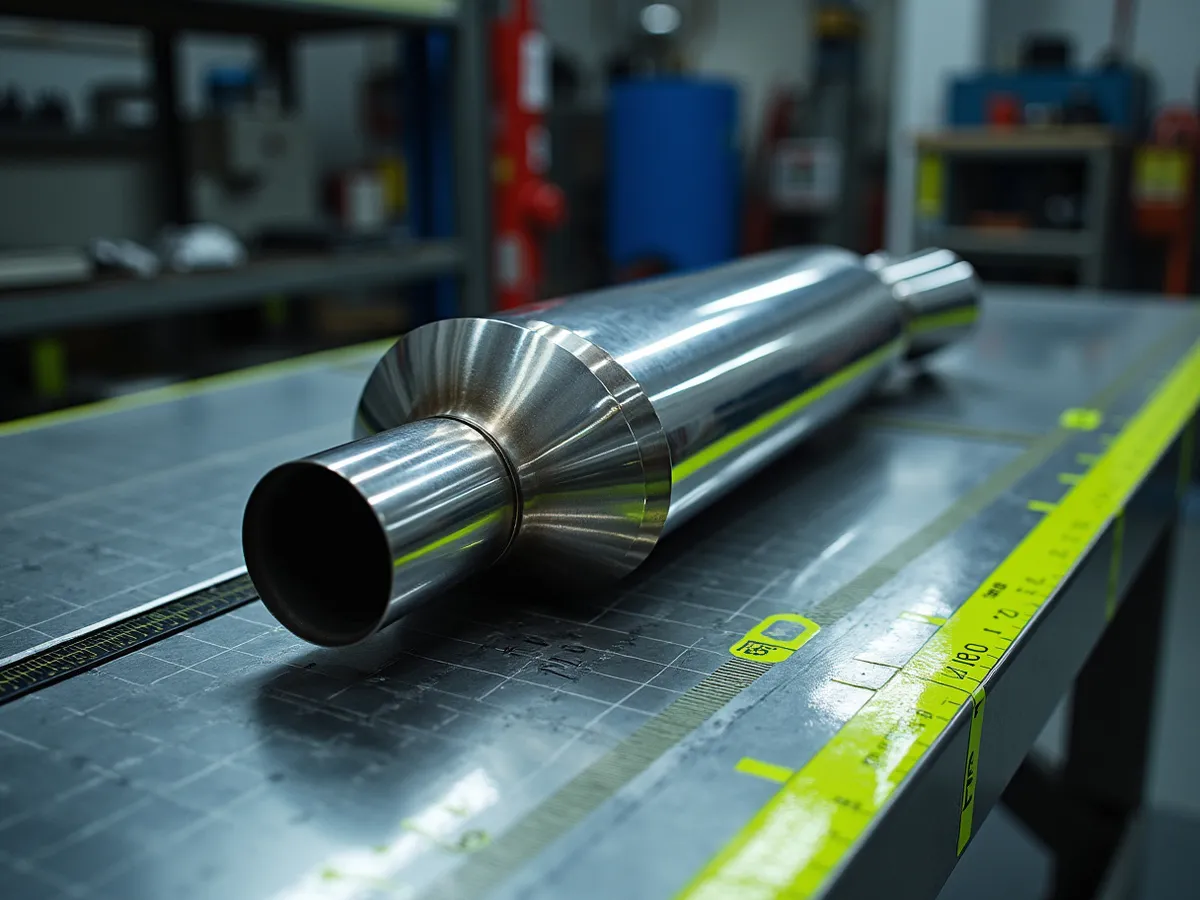
Hooker Maximum Flow Muffler
The Hooker Maximum Flow Muffler is a straight-through performance muffler built for high-flow builds — muscle cars, V8 swaps and performance trucks that need the least restriction a muffler can offer.
$90–$180 varies by year, make and trim


The parts counter
How an order runs here.
-
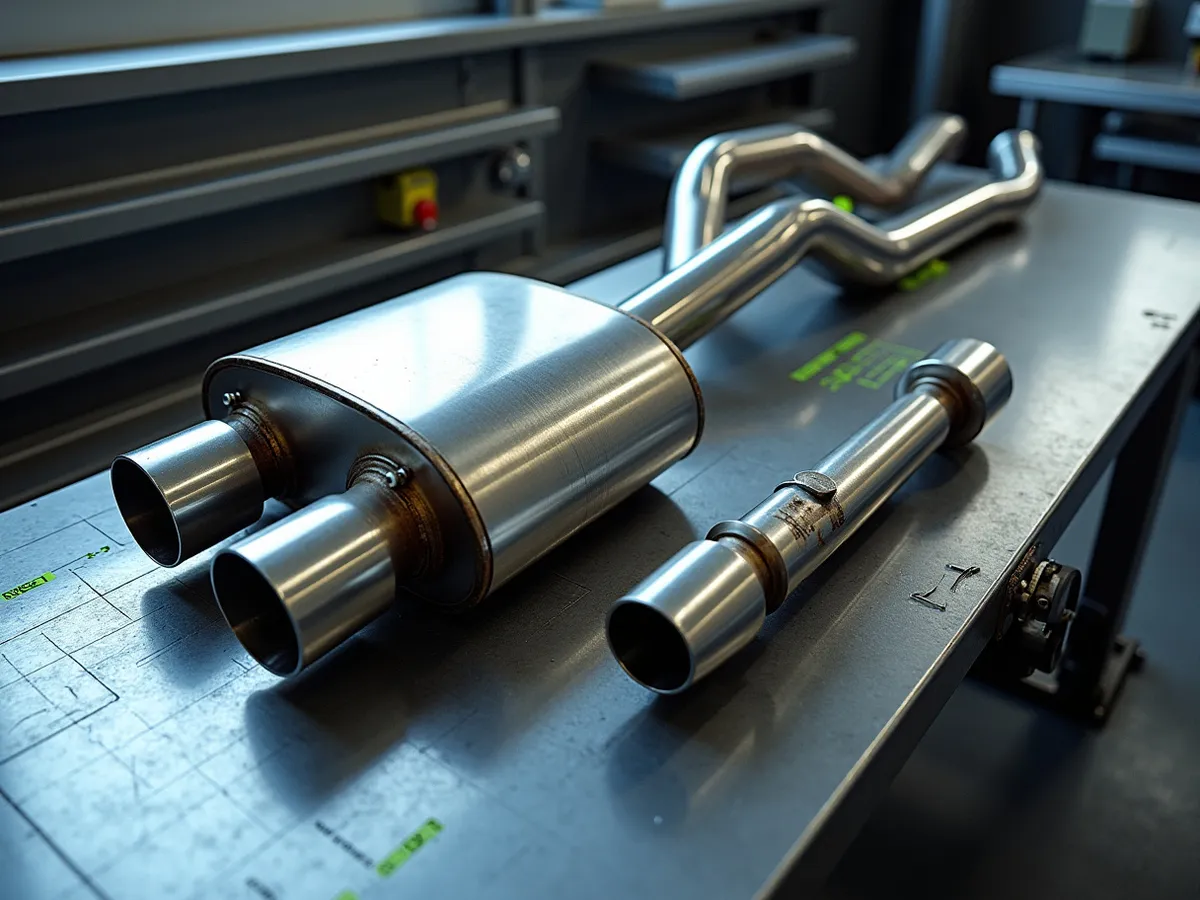
Performance Exhaust Systems
Cat-back and axle-back exhaust systems we stock and special-order for trucks and SUVs, plus chambered and straight-through mufflers, headers and tips, all matched to your engine and pipe size before a part is bought.
-
4-Wheel Parts Near Me
Four-wheel-drive parts for the driveline — hubs, CV axles, driveshafts, differentials, transfer-case service parts and lockers — stocked or special-ordered and confirmed against your axle and trim before anything is bought.
-
4x4 Parts and Accessories Near Me
The bolt-on side of a 4x4 build — bumpers, sliders, skid plates, roof racks, lighting, winches and step bars — supplied and fitted so the accessory matches the body, the sensors and the load you carry.
-
4x4 Parts Near Me
The performance and capability side of a 4x4 — suspension and lift components, lockers, gearing, wheels and tires and recovery basics — supplied and confirmed against your axle, springs and trim before a part is ordered.
-
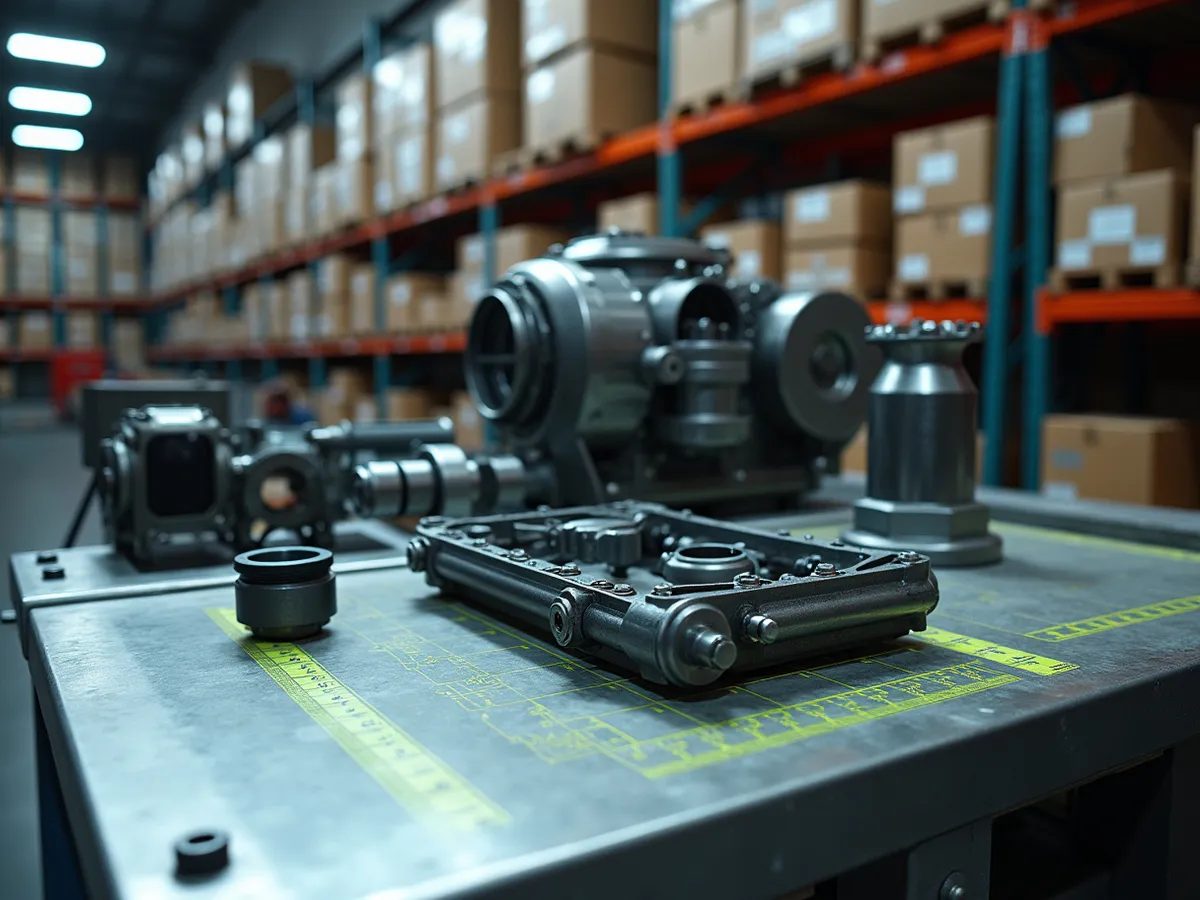
Offroad Parts Near Me
Offroad and overland parts chosen for the trail — recovery gear, shocks and long-travel suspension, lighting, on-board air and comms — supplied and matched to how far off the pavement your rig is asked to go.
-
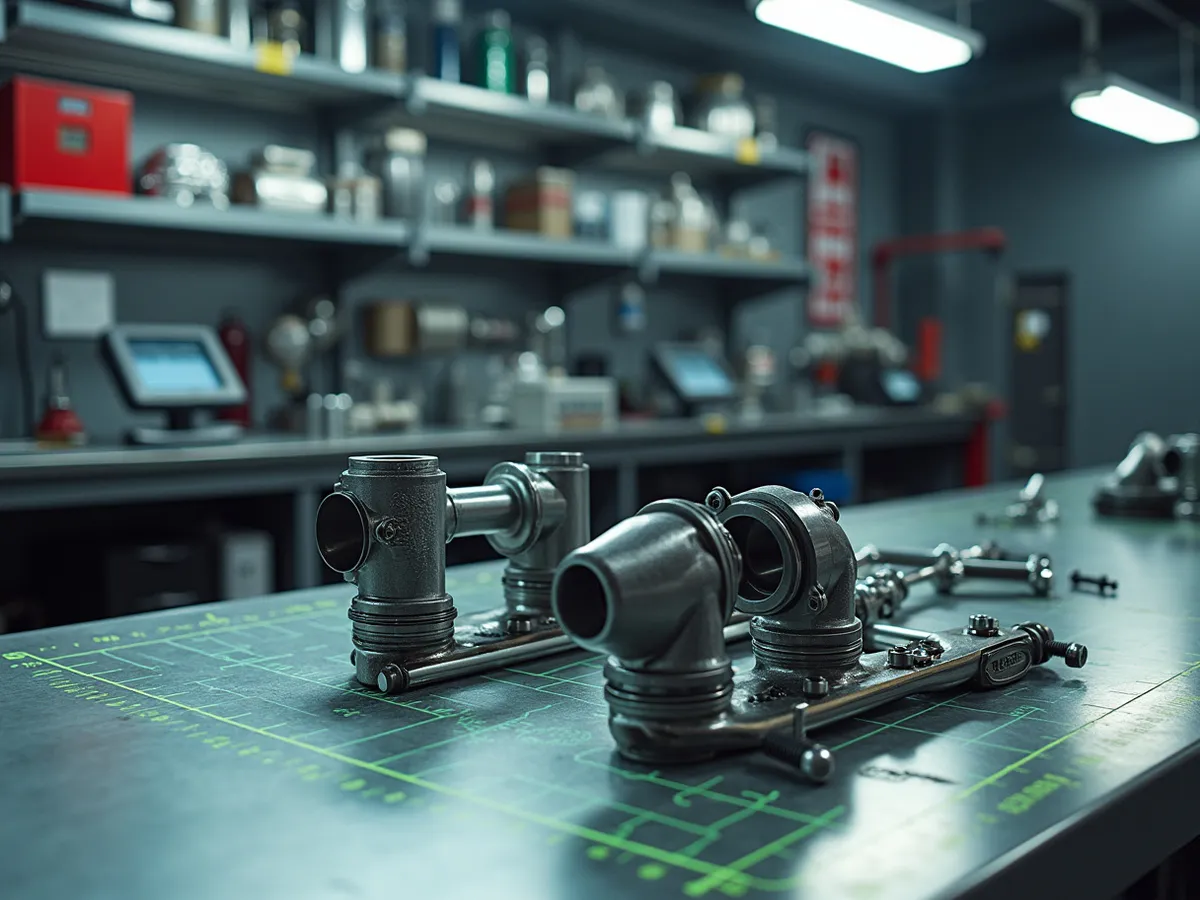
Truck Part Stores Near Me
The counter side of truck parts — brakes, filters, belts, batteries, exhaust and suspension replacements, plus performance and accessory orders — stocked or brought in and confirmed against your engine, axle and trim.


Parts and performance guides
Plain answers before you order anything.
-
Exhaust System Cost Guide
A complete exhaust job on a truck or SUV runs from about $180 for a muffler swap to $1,900 for a stainless cat-back with headers, and most single-system jobs land between $400 and $1,100 installed.
-
How to Choose 4x4 Parts
Choosing 4x4 parts starts with the application, not the price tag, because a part that fits your axle, springs and tires is worth more than a cheaper one that almost works.
From the bay


Questions about this part
What is the difference between a wholesaler and a distributor?
A wholesaler buys in bulk and breaks stock into usable quantities, while a distributor often adds brand territory and support. In practice both feed the same trade, and a good source use several.
Why is a part cheaper from one source than another?
Because factory, distributor and importer routes carry different costs and freight. Wholesale pricing is a range, not one fixed number per category.
What happens if the part is back-ordered?
We tell you early and offer a real alternative, such as a distributor unit or a comparable brand, rather than take a deposit for an indefinite wait.
Can you source a part no local store carries?
Often yes, through the wholesale chain. We decode the fitment first, because sourcing the wrong application wastes everyone's time.
Do you source overseas parts?
We can, through importer routes, which is where value components often come from. We still confirm fitment and inspect the part when it arrives.
How long does a special order take?
It varies with the source and the fitment, so we give a range and update it as the order moves. Honest lead times beat optimistic ones for anyone planning work.
Why drivers buy their parts from RGV 4x4 Supplies
- Parts confirmed against your exact year, engine, axle and trim before ordering.
- A written estimate that separates the part, the hardware and the fitting.
- A shelf that stocks the everyday repair and orders the performance part in.
- A fitment check after the first miles, because clamps and seals settle.
Request a parts quote
Tell us the truck and what part you need.