Peak Offroad Performance
Peak Offroad Performance is about building a 4x4 for real terrain — traction, suspension travel and clearance first, then the power to use them, so the truck goes further instead of just sitting taller.

Peak Offroad Performance at a glance
- All-terrain or mud-terrain tire set, mounted
- $800–$2,000
- Shock and spring upgrade, installed
- $900–$3,000
- Re-gearing parts and labour
- $900–$2,200
- Skid plates and sliders, installed
- $500–$1,800
Peak Offroad Performance: capability before horsepower
Peak Offroad Performance is the idea that a 4x4 goes further because of traction and suspension, not because of power. It is easy to add a tune and call a truck built, but a lifted truck on the wrong shocks and street tires still gets stuck, while a modest truck on good tires with proper suspension walks through the same ground. So the sequence here is traction first, suspension and clearance second, protection third, and power last, because power only helps a vehicle that can already put it down. We build off-road performance as a system and are honest that the flashiest part is rarely the most useful one.
- Traction and suspension first, power last
- A lift without the right shocks still gets stuck
- Protection before anything that only adds speed
- Built as a system, not a single bolt-on
Off-road performance fitment by platform
Off-road performance parts are vehicle-specific, so we start with the platform and its suspension layout. A solid-axle Jeep Wrangler or Gladiator takes lift and steering parts that an independent-front Ford F-150 or Chevy Silverado does not, and a coil-rear RAM 1500 or new Toyota Tundra takes different spring work from a leaf-spring truck. A Toyota 4Runner, Tacoma or Tundra, a GMC Canyon or Sierra and a Nissan Frontier each have their own geometry and clearance limits. We confirm the platform, the trim and any factory off-road package before proposing a suspension plan.
- Solid-axle Jeep Wrangler and Gladiator
- Independent-front Ford F-150, Ranger and Bronco
- Chevy Silverado, Colorado and GMC Sierra and Canyon
- Coil-rear RAM 1500 and Toyota Tundra
- Leaf-spring trucks and their suspension limits
- Toyota 4Runner, Tacoma and Nissan Frontier
What actually improves off-road performance
Five things improve how a 4x4 performs off pavement. Tires decide traction more than any other single part, and the compound and tread matter more than the brand. Suspension travel and damping decide whether the truck keeps its tires on the ground and how it takes a hit. Clearance keeps the underbody out of the rocks, and armor protects it when clearance is not enough. Gearing restores the torque that big tires take away and stops the transmission hunting. Power comes last, and only once the truck can use it. We order the spend in that priority rather than by what looks impressive.
- Tires: the biggest single factor in traction
- Suspension travel and damping for control on rough ground
- Clearance and armor to protect the underbody
- Re-gearing to restore torque lost to big tires
- Power last, once the truck can put it down
How an off-road performance build is planned
We plan an off-road build in stages so the truck improves at each step and nothing is bought twice.
-
Confirm the platform, trim and factory off-road package.
-
Set the terrain: rocks, sand, mud or long dirt roads.
-
Choose tires and suspension for that terrain first.
-
Add clearance and armor where the truck is vulnerable.
-
Re-gear if tire size has stolen torque.
-
Add power only after traction and control are sorted.
-
Test and adjust damping and pressures for the real ground.
What off-road performance costs
Off-road performance spend tracks the priority list, and tires and suspension take the largest share. A set of good tires and proper shocks costs more than a tune but changes far more, and a full suspension package with re-gearing is a bigger step again. Armor is comparatively cheap insurance, and power adds cost without adding capability on its own. Every figure varies with the platform and how hard the truck is used, so read each as a range until we see it and the terrain it runs.
- All-terrain or mud-terrain tire set, mounted
- $800–$2,000
- Shock and spring upgrade, installed
- $900–$3,000
- Re-gearing parts and labour
- $900–$2,200
- Skid plates and sliders, installed
- $500–$1,800
- Tune or intake for more power, installed
- $280–$900
- Alignment and setup after suspension work
- $120–$300
What the off-road performance build is bought for
Owners buy off-road performance for a specific terrain, and the right build depends on which one. Rock crawlers want flex, clearance and gearing, and can live with a firm ride. Overlanders want reliability and load capacity over long distances, with a comfortable highway ride. Sand and desert drivers want damping and cooling, because heat kills more than impacts. Mud drivers want aggressive traction and clearance to keep the body out of the ruts. We ask which of those you actually do, because a build tuned for rocks is the wrong truck for long highway overlanding, and vice versa.
- Rock crawlers wanting flex, clearance and gearing
- Overlanders wanting reliability and load comfort
- Sand and desert drivers wanting damping and cooling
- Mud drivers wanting traction and clearance
Balancing power and traction on a 4x4
More power is not automatically more off-road performance, and it can even hurt. A big horsepower gain on a truck with small tires and stock suspension just spins the wheels in the dirt and stresses the drivetrain. Traction and torque delivery matter more, which is why gearing does so much: it multiplies the torque at the wheels. When an owner does add power, the supporting work is cooling and drivetrain strength, not a louder exhaust. We would rather help someone get traction right and keep the engine mild than sell a big power number that the truck cannot use on the ground it actually drives.
- Power without traction just spins the wheels in dirt
- Gearing multiplies torque at the wheels where it counts
- Added power needs cooling and drivetrain strength
- Traction first, power modest, for real ground
More parts we supply
The rest of the catalog, priced by application.
-
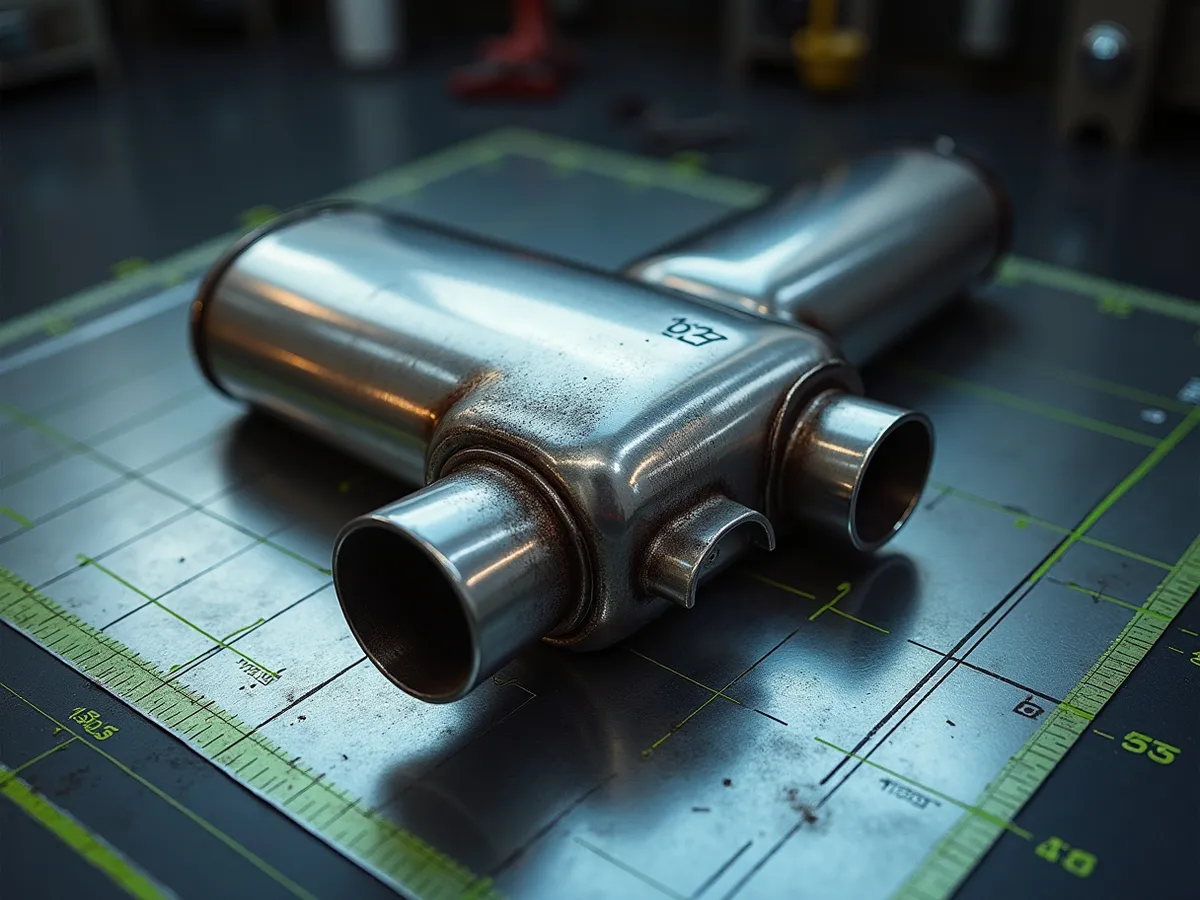
Black Widow 250 Muffler
The Black Widow 250 Muffler is a chambered performance muffler built to deepen a truck's exhaust note without the highway drone, fitted by application to your pipe size, offset and case length.
$120–$220 varies by year, make and trim
-
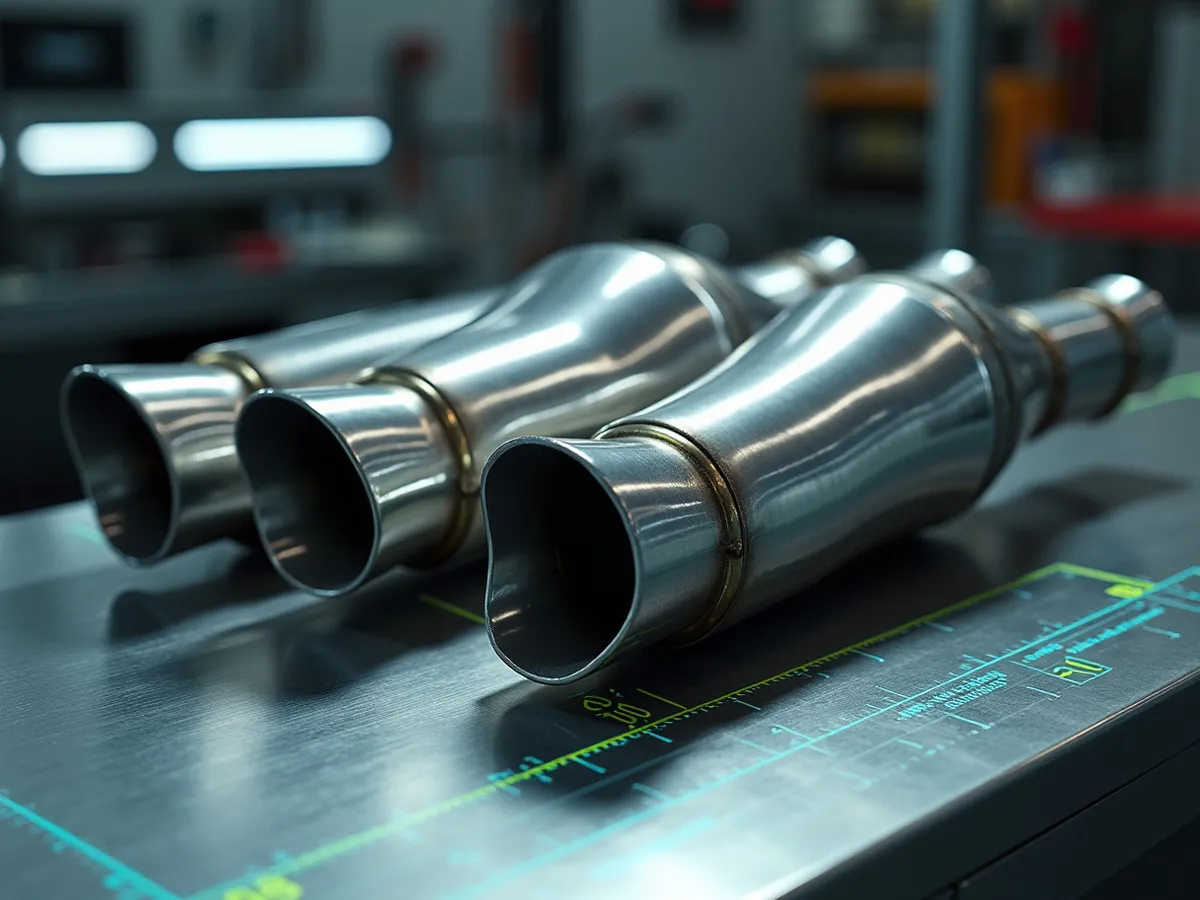
Black Widow Muffler
The Black Widow Muffler line covers a range of chambered and straight-through performance mufflers — a guide to which body suits your truck, what size to order and how each one sounds before you buy.
$120–$240 varies by year, make and trim
-
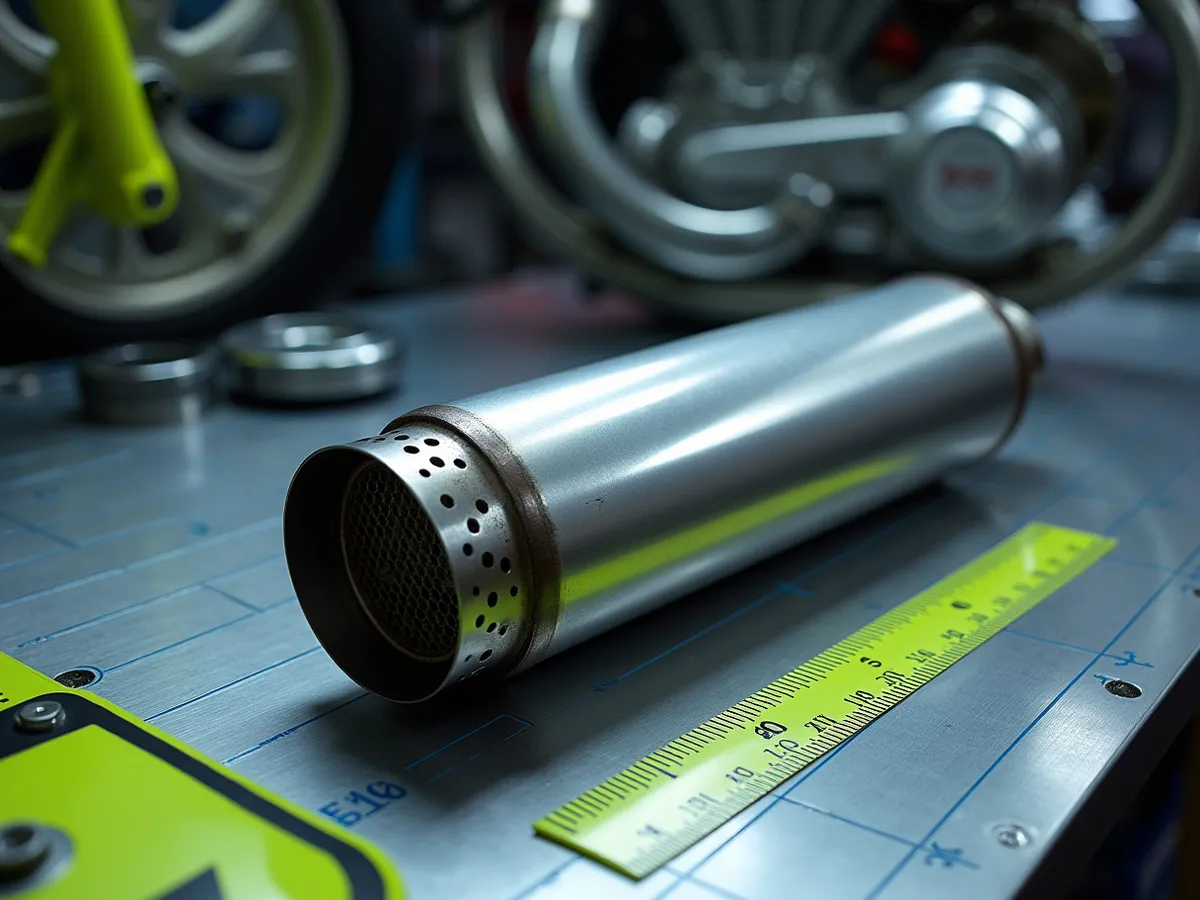
Dynomax Race Mini Bullet Muffler
The Dynomax Race Mini Bullet Muffler is a short, straight-through bullet muffler for race cars, hot rods and off-road trucks — a weld-in unit that cuts noise a little while keeping the flow a race engine needs.
$60–$130 varies by year, make and trim
-
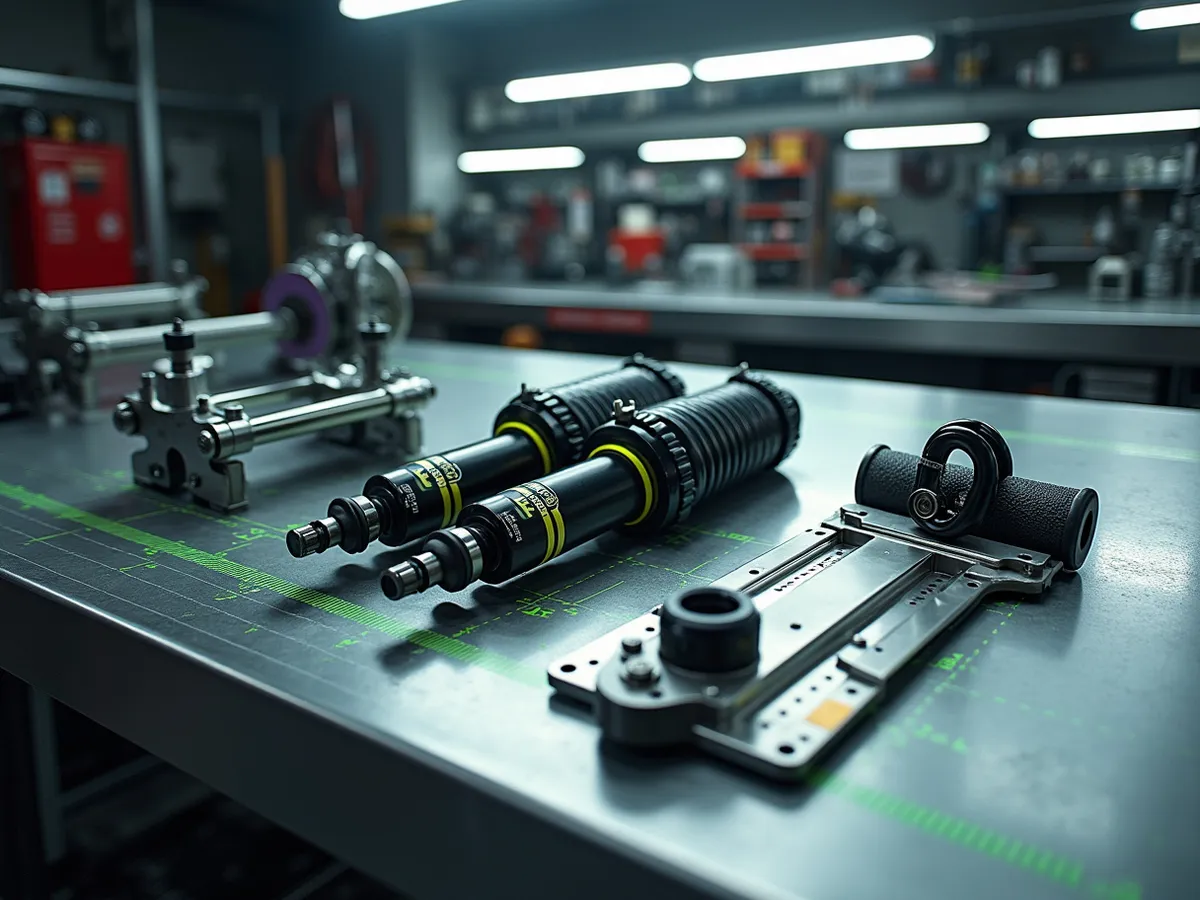
Four-Wheel-Drive Off-Road Parts
Four-wheel-drive off-road parts covering armor, recovery, lighting, suspension and tires — what each does, what fits your 4x4 and how an off-road build is sequenced so you buy it once.
$280–$850 varies by year, make and trim
-
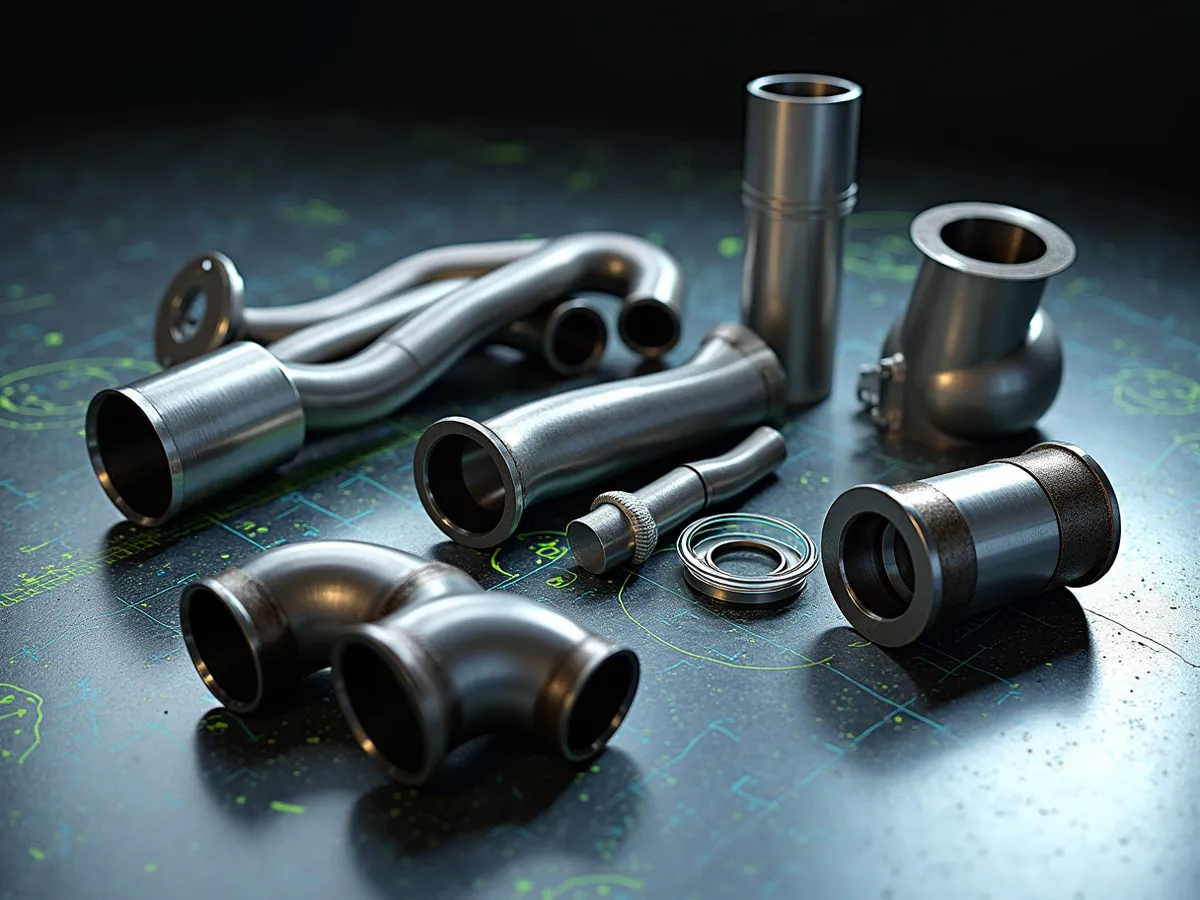
Four-Wheel-Drive Performance Parts
Four-wheel-drive performance parts covering intake, exhaust, headers, tuning and forced induction — where the real gain on a truck or 4x4 comes from and how to stack upgrades in the right order.
$280–$700 varies by year, make and trim
-
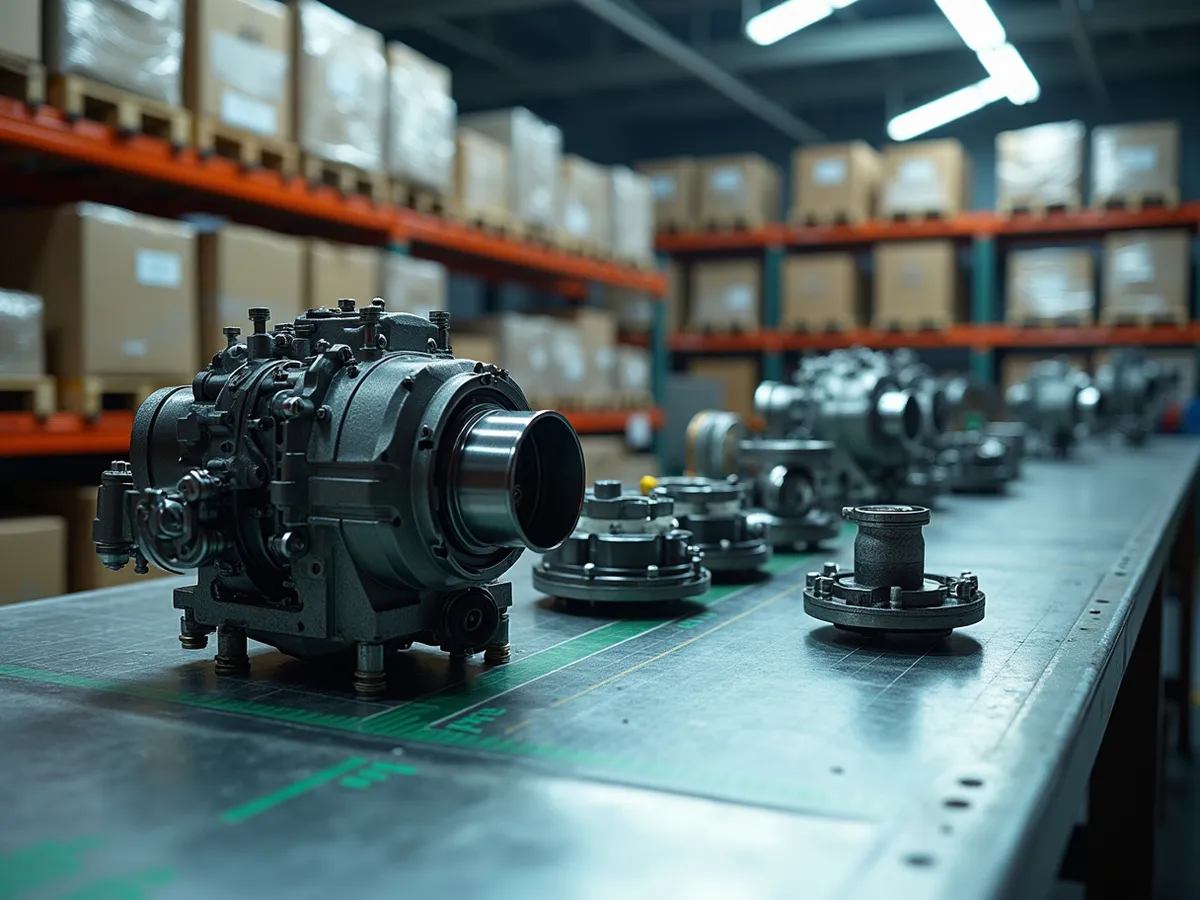
Four-Wheel Parts Wholesale
Four-wheel parts wholesale for shops, installers, fleets and resellers — how volume ordering works, what categories move in bulk and how wholesale pricing is quoted honestly as a range.
$180–$420 varies by year, make and trim
-
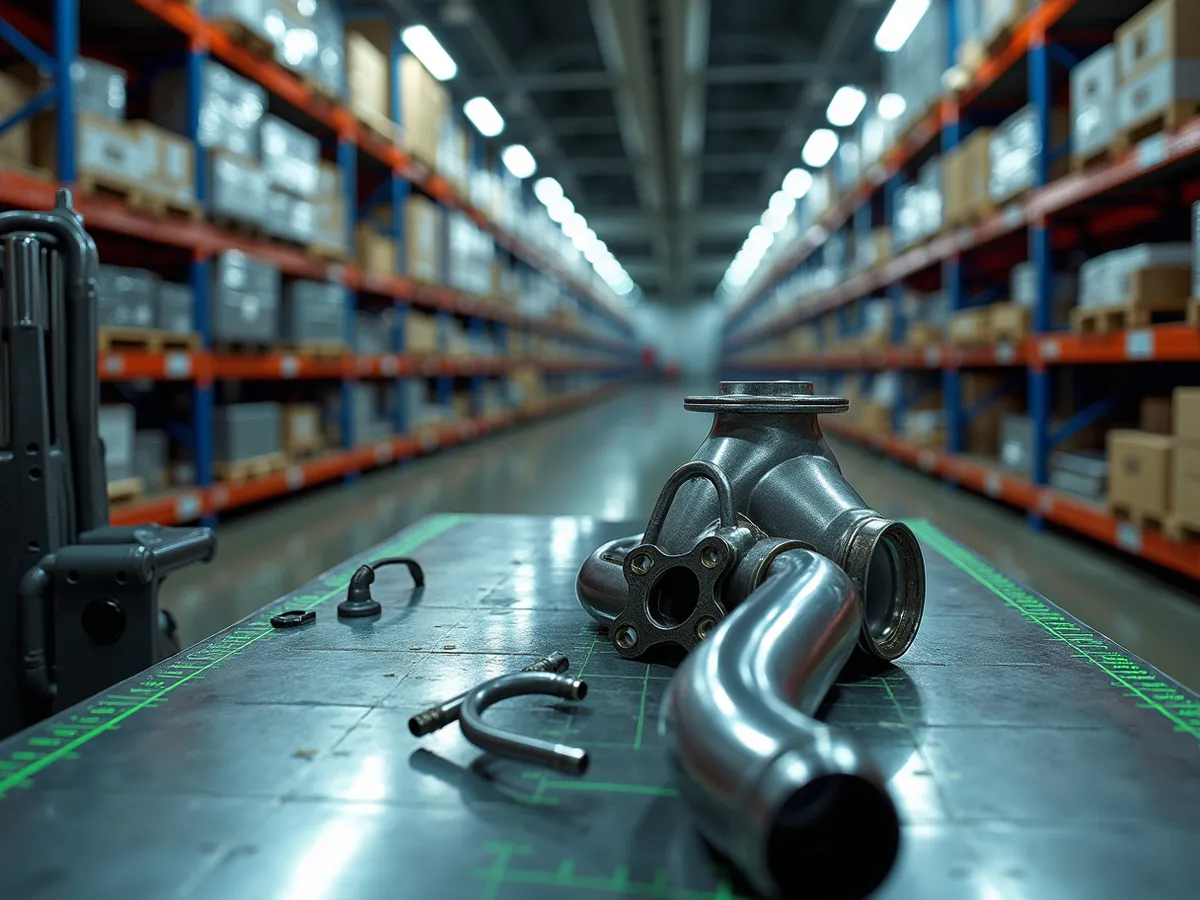
Four-Wheel Parts Wholesalers
Four-wheel parts wholesalers explained — how the parts trade sources through distributors and importers, how backorders are handled and how a shop or owner gets a part that is not on a retail shelf.
$180–$450 varies by year, make and trim
-
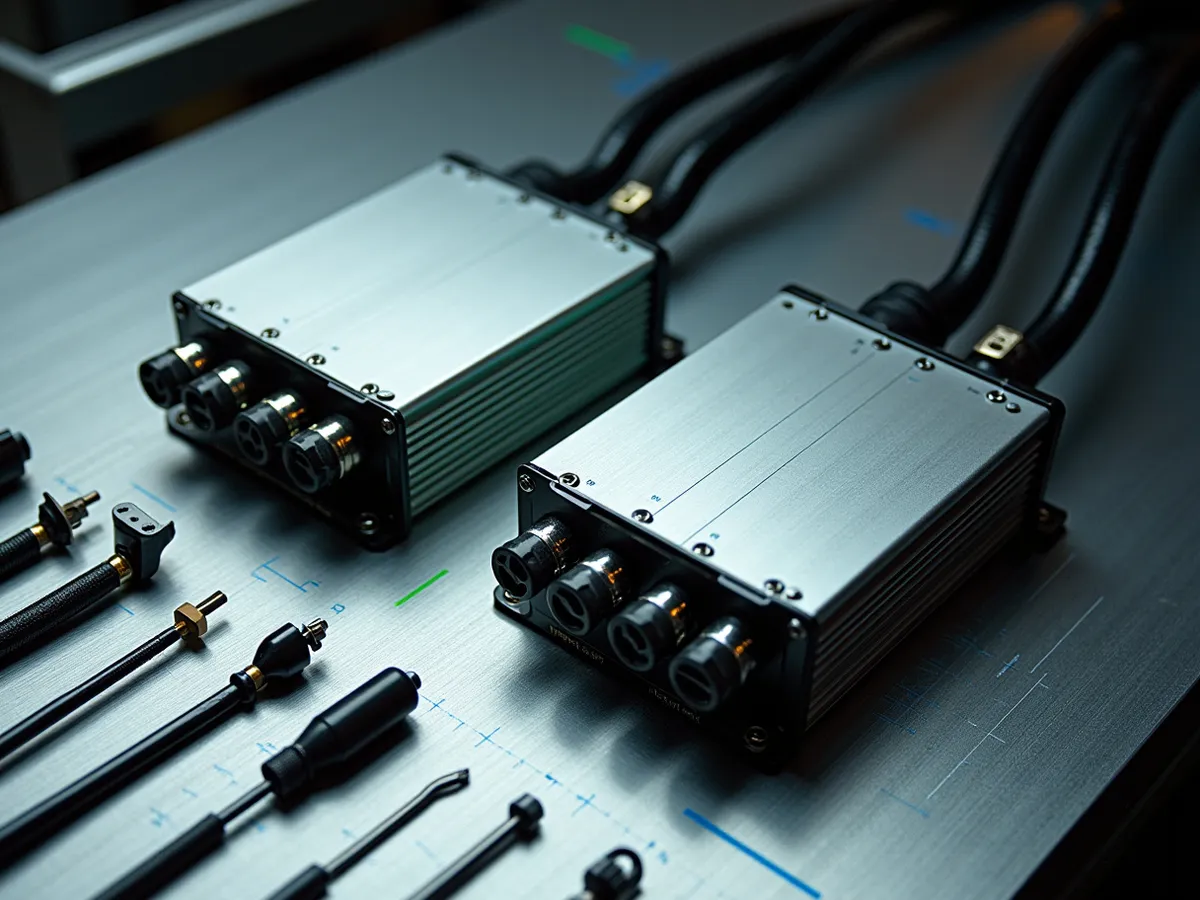
Hidden Performance Tuning
Hidden performance tuning is the quiet side of going faster — tunes, throttle controllers and intake work that add response without a loud exhaust or a visible part, for owners who want the gain, not the noise.
$180–$420 varies by year, make and trim


The parts counter
How an order runs here.
-
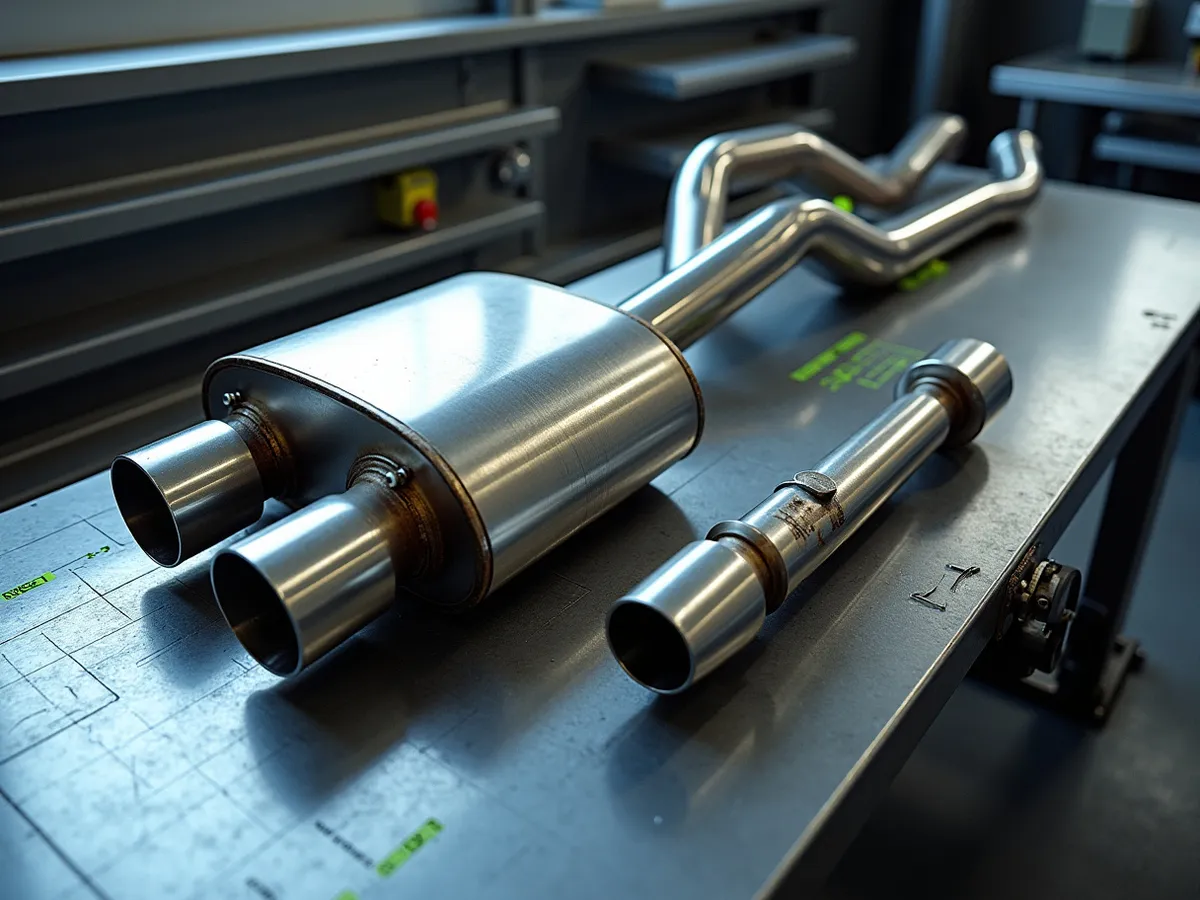
Performance Exhaust Systems
Cat-back and axle-back exhaust systems we stock and special-order for trucks and SUVs, plus chambered and straight-through mufflers, headers and tips, all matched to your engine and pipe size before a part is bought.
-
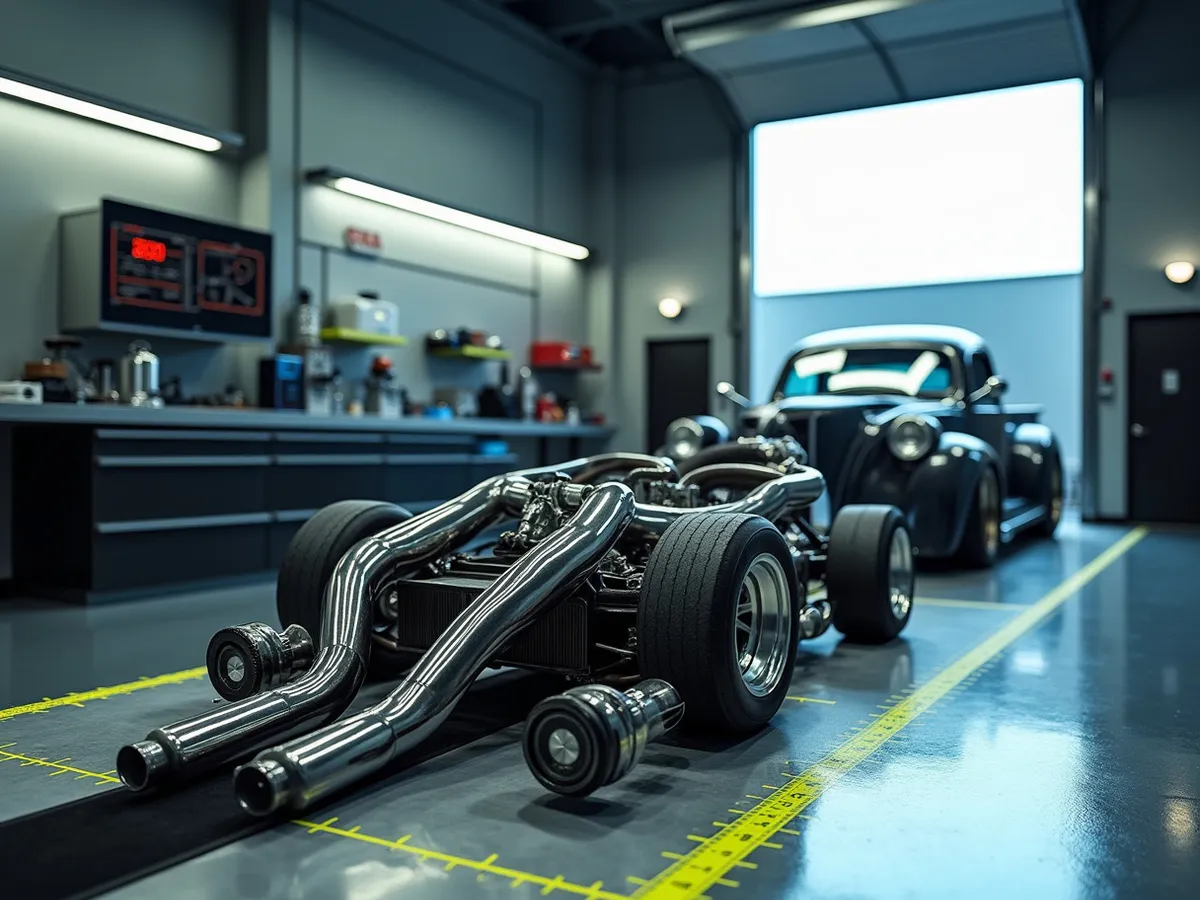
4-Wheel Parts Near Me
Four-wheel-drive parts for the driveline — hubs, CV axles, driveshafts, differentials, transfer-case service parts and lockers — stocked or special-ordered and confirmed against your axle and trim before anything is bought.
-
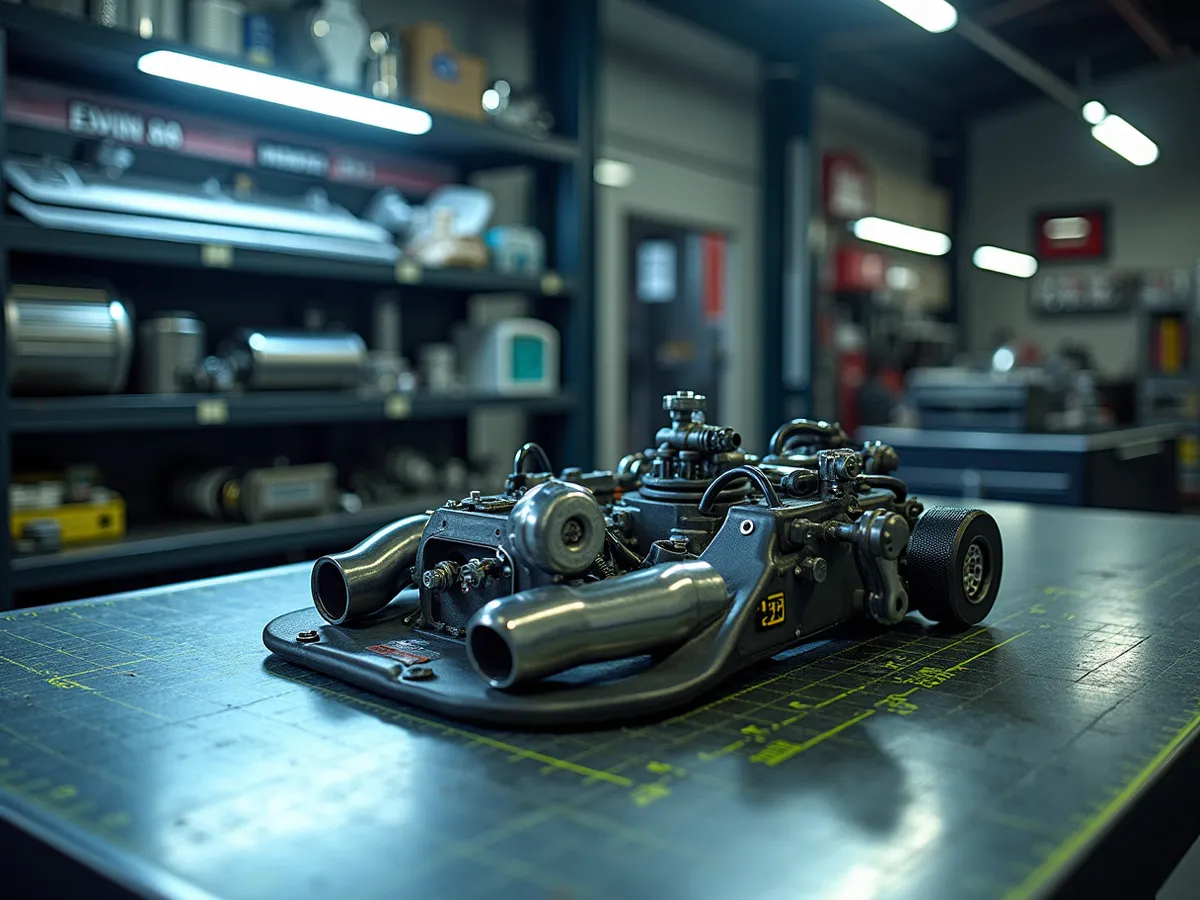
4x4 Parts and Accessories Near Me
The bolt-on side of a 4x4 build — bumpers, sliders, skid plates, roof racks, lighting, winches and step bars — supplied and fitted so the accessory matches the body, the sensors and the load you carry.
-
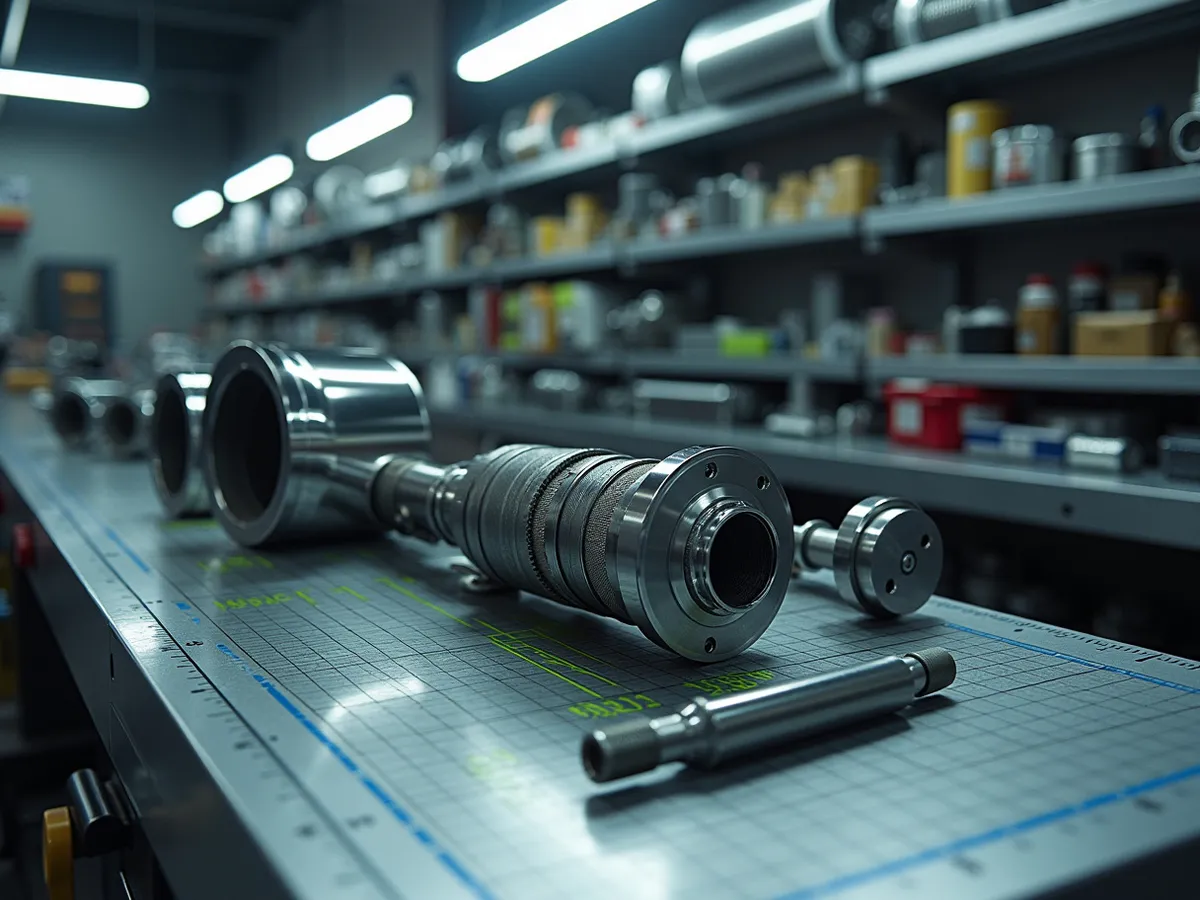
4x4 Parts Near Me
The performance and capability side of a 4x4 — suspension and lift components, lockers, gearing, wheels and tires and recovery basics — supplied and confirmed against your axle, springs and trim before a part is ordered.
-
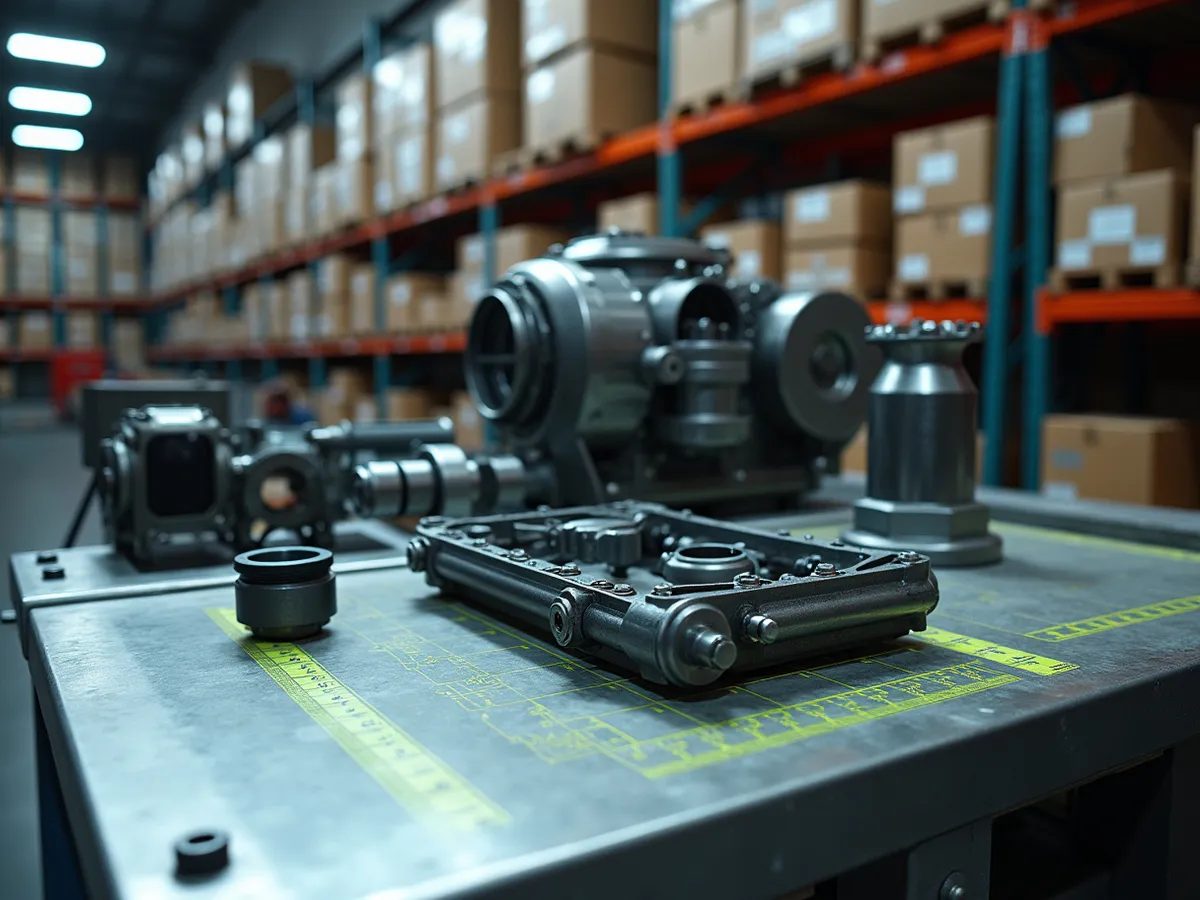
Offroad Parts Near Me
Offroad and overland parts chosen for the trail — recovery gear, shocks and long-travel suspension, lighting, on-board air and comms — supplied and matched to how far off the pavement your rig is asked to go.
-
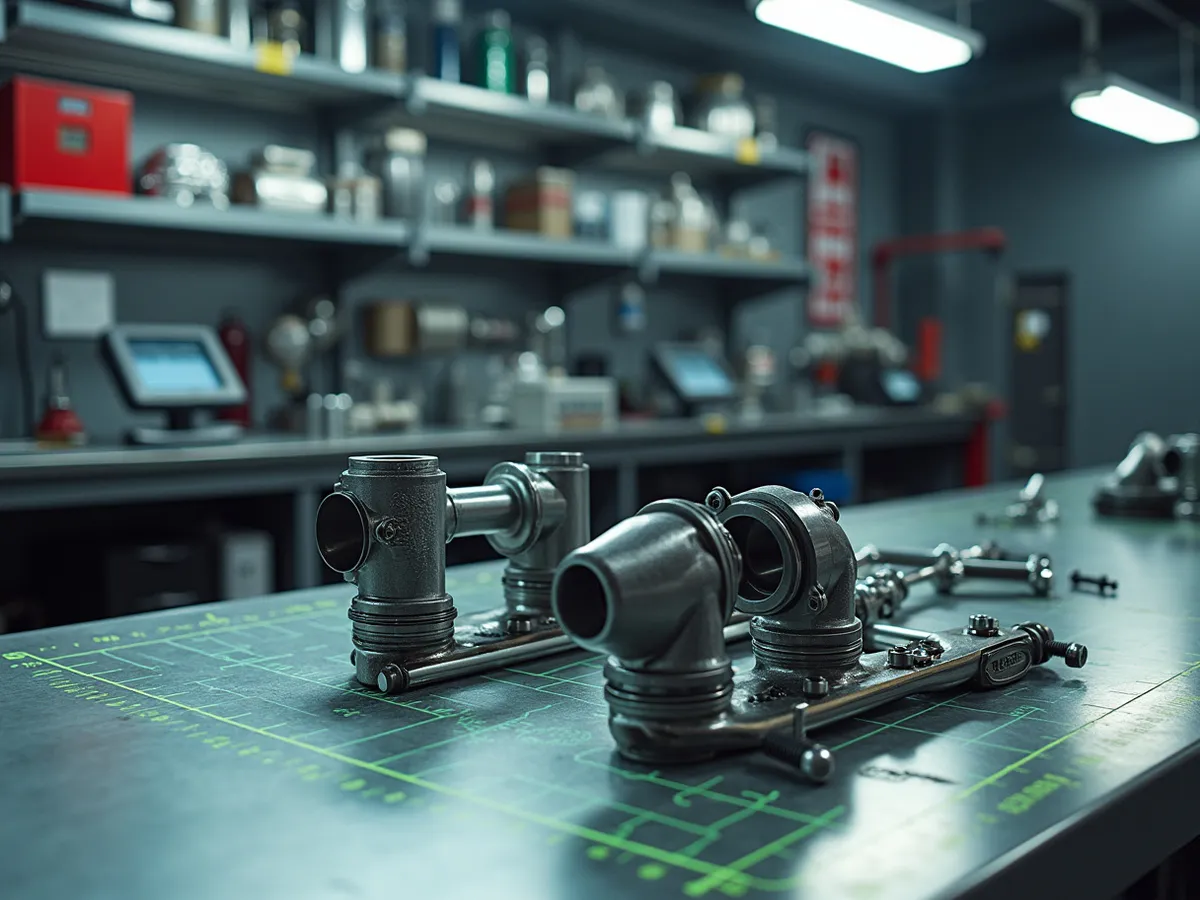
Truck Part Stores Near Me
The counter side of truck parts — brakes, filters, belts, batteries, exhaust and suspension replacements, plus performance and accessory orders — stocked or brought in and confirmed against your engine, axle and trim.


Parts and performance guides
Plain answers before you order anything.
-
Exhaust System Cost Guide
A complete exhaust job on a truck or SUV runs from about $180 for a muffler swap to $1,900 for a stainless cat-back with headers, and most single-system jobs land between $400 and $1,100 installed.
-
How to Choose 4x4 Parts
Choosing 4x4 parts starts with the application, not the price tag, because a part that fits your axle, springs and tires is worth more than a cheaper one that almost works.
From the bay


Questions about this part
Should I add power or traction first?
Traction, every time. Tires and suspension decide whether the truck moves at all off pavement, while power only helps a truck that can already put it down.
How much lift do I actually need?
Only as much as the terrain and tire size require, and no more. Too much lift hurts stability and driveshaft angles, so we match height to real clearance needs.
Is re-gearing worth it after big tires?
Usually yes. Larger tires effectively lower your gearing and the transmission hunts, so re-gearing restores torque and driveability on the ground.
Do I need a solid-axle truck to go off-road?
No. A well-set independent-front truck with good tires and shocks handles most terrain; solid axles win on the hardest rock, which is where they matter.
Which terrain should I build for?
The one you actually drive. A rock build and an overland build are very different, and we ask which one it is before proposing a plan.
Can you set up a truck I already lifted?
Yes, and it is common. We often correct damping, geometry and pressures on a lift that was fitted without the matching supporting parts.
Why drivers buy their parts from RGV 4x4 Supplies
- Parts confirmed against your exact year, engine, axle and trim before ordering.
- A written estimate that separates the part, the hardware and the fitting.
- A shelf that stocks the everyday repair and orders the performance part in.
- A fitment check after the first miles, because clamps and seals settle.
Request a parts quote
Tell us the truck and what part you need.