Memo Tuning and Performance
Memo Tuning and Performance covers the tuning side of a build — ECU calibrations, dyno sessions and data logging that turn installed hardware into usable power instead of a pile of parts.

Memo Tuning and Performance at a glance
- Handheld tuner with a canned file
- $430–$900
- Custom street tune with data logging
- $600–$1,200
- Full dyno tune session
- $800–$1,800
- Supporting intake or exhaust before tuning
- $280–$1,700
Memo Tuning and Performance: making the hardware actually pay off
Memo Tuning and Performance is about calibration, the step that decides whether the parts you bolted on actually do anything. A modern engine is run by a computer, and the factory calibration is written for a broad range of fuels, altitudes and drivers, which means it leaves margin unused. A proper tune releases that margin on a turbo engine, sharpens throttle and shift behavior on any engine, and corrects the fuelling when an intake or exhaust changes airflow. We do this with a dyno and with data logging, so the result is measured rather than guessed. This page covers how tuning works, what fits what, the dyno process and what it costs.
- Calibration that releases the margin a factory tune leaves
- Biggest gain on turbo and supercharged engines
- Corrects fuelling when intake or exhaust changes airflow
- Measured with a dyno and data logging, not guessed
Tuning fitment by engine platform
Tuning is engine-specific, because each platform has its own computer, its own sensors and its own limits. A Ford F-150 EcoBoost, a Chevy Silverado 2.7 turbo, a RAM 1500 inline-six, a Toyota Tacoma turbo and a Jeep 2.0 turbo all gain strongly from a tune because they are boost-controlled. A V8 like the Silverado or Sierra 5.3 and 6.2 or the RAM HEMI gains response and shift quality but less peak power. A naturally aspirated V6 gains the least in absolute terms. Diesels are tuned carefully because emissions controls limit the change, and we tell owners honestly what a given platform will allow before taking the job.
- Ford F-150 EcoBoost platforms
- Chevy Silverado and GMC Sierra 2.7, 5.3 and 6.2
- RAM 1500 HEMI and inline-six turbo
- Toyota Tacoma turbo, Tundra and 4Runner
- Jeep Wrangler and Gladiator 2.0 turbo and V6
- Diesels tuned carefully within emissions limits
Tune types and what supports them
There are three common paths. A canned tune is a pre-written file loaded from a handheld, which suits a stock or lightly modified truck. A custom street tune is written for your exact hardware and verified with data logs. A dyno tune is developed on a load-bearing dyno and is the right choice for a modified or boosted build. Supporting hardware matters: an intake or exhaust changes airflow and the tune should be written for it, a colder thermostat or intercooler upgrade helps a boosted engine hold its gain, and fuel quality sets the ceiling. We match the path to the build rather than defaulting to the most expensive option.
- Canned tune from a handheld for a stock truck
- Custom street tune written for exact hardware
- Dyno tune developed under load for modified builds
- Supporting hardware like intake, exhaust and intercooler
- Fuel quality that sets the safe ceiling
How a dyno tuning session runs
A proper tuning session is a sequence, not a single flash, and we follow it so the result is safe and repeatable.
-
Confirm the engine, hardware and fuel being run.
-
Pull a baseline dyno run or data log on the stock calibration.
-
Review the data for fuelling, timing and knock limits.
-
Write a first calibration for the installed hardware.
-
Run it under load and read the data again.
-
Refine across several runs until it is smooth and safe.
-
Hand over the file and show the owner the before and after.
What tuning costs
Tuning pricing varies with how it is done. A canned handheld file is the cheapest, a custom street tune sits in the middle, and a full dyno session costs the most because it takes time on the rollers. Supporting hardware adds its own cost, and a boosted build that needs several revisions costs more than a lightly modified one. We quote the tune and any parts separately, and as ranges, because the number of dyno runs depends on how the engine responds. Read every figure as a range until we see the truck and its hardware.
- Handheld tuner with a canned file
- $430–$900
- Custom street tune with data logging
- $600–$1,200
- Full dyno tune session
- $800–$1,800
- Supporting intake or exhaust before tuning
- $280–$1,700
- Additional dyno revisions for a boosted build
- $150–$400
- Diesel tuning within emissions limits
- $500–$1,200
Who gets a tune, and why
A tune is bought for different reasons. Owners who just added an intake or exhaust buy it so the engine takes advantage of the airflow instead of running a stock map. Owners of turbo trucks buy it because it is the single biggest gain available. Truck owners who tow buy it for firmer shifts and better throttle under load. Diesel owners buy it for torque within the limits the emissions system allows. Enthusiasts buy a dyno tune to finish a build and see the numbers. In all cases the tune is the step that turns hardware into a result, which is why we treat it as the centerpiece rather than an afterthought.
- Owners who added intake or exhaust and need a matching map
- Turbo truck owners chasing the biggest single gain
- Tow truck owners wanting firmer shifts under load
- Diesel owners wanting torque within emissions limits
Street tune or dyno tune, honestly
The choice between a street tune and a dyno tune is about risk and budget, so we explain both. A street tune relies on data logs from real driving, and on a lightly modified truck it can be excellent value. A dyno tune develops the calibration under controlled load, which matters on a boosted or heavily modified engine where a bad run could hurt the motor. If your build is stock or mild, a street tune is often enough and we say so. If it is boosted or has significant hardware changes, a dyno session is the safer path, and we would rather do fewer expensive sessions than risk the engine to save money.
- Street tune: logs from real driving, great value on mild builds
- Dyno tune: controlled load, safer on boosted builds
- Mild builds often fine with a street tune
- Heavily modified engines want the dyno
More parts we supply
The rest of the catalog, priced by application.
-
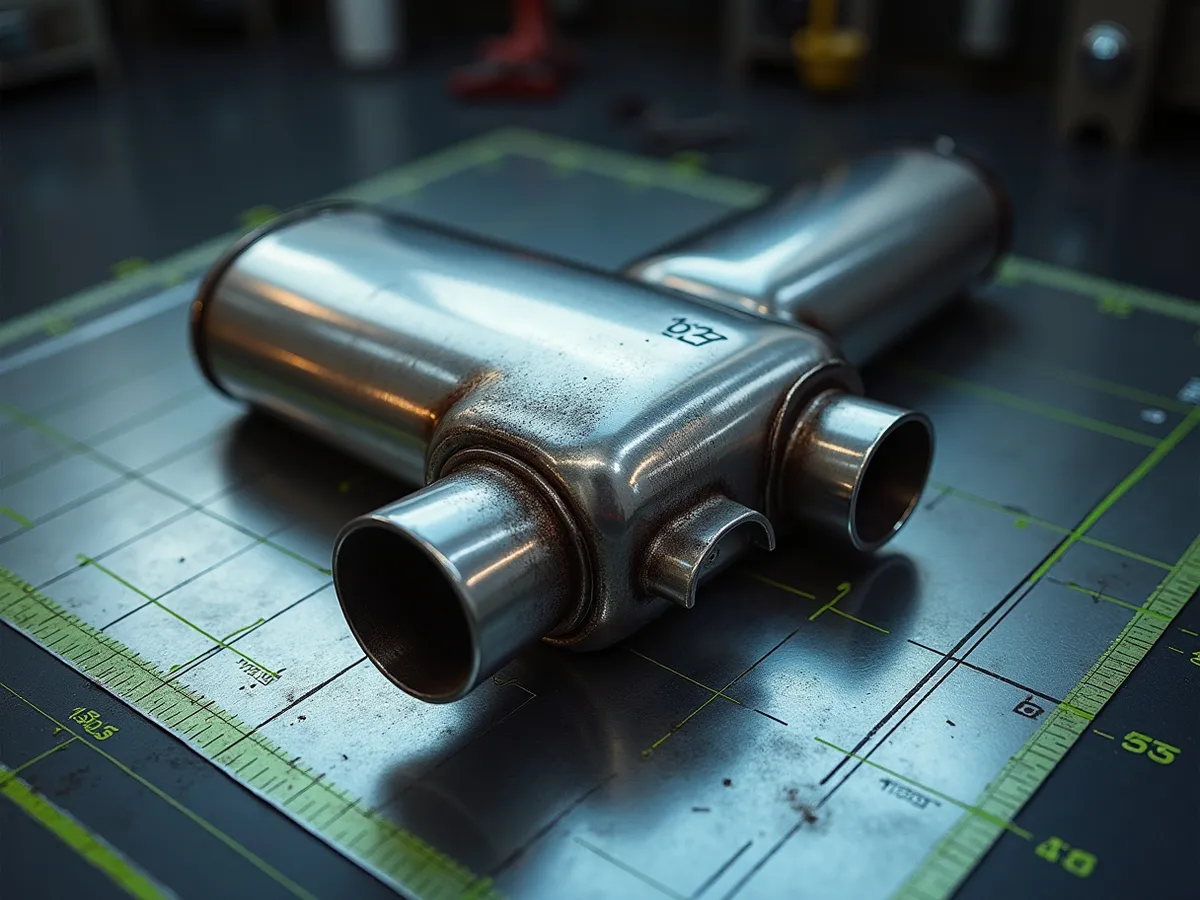
Black Widow 250 Muffler
The Black Widow 250 Muffler is a chambered performance muffler built to deepen a truck's exhaust note without the highway drone, fitted by application to your pipe size, offset and case length.
$120–$220 varies by year, make and trim
-
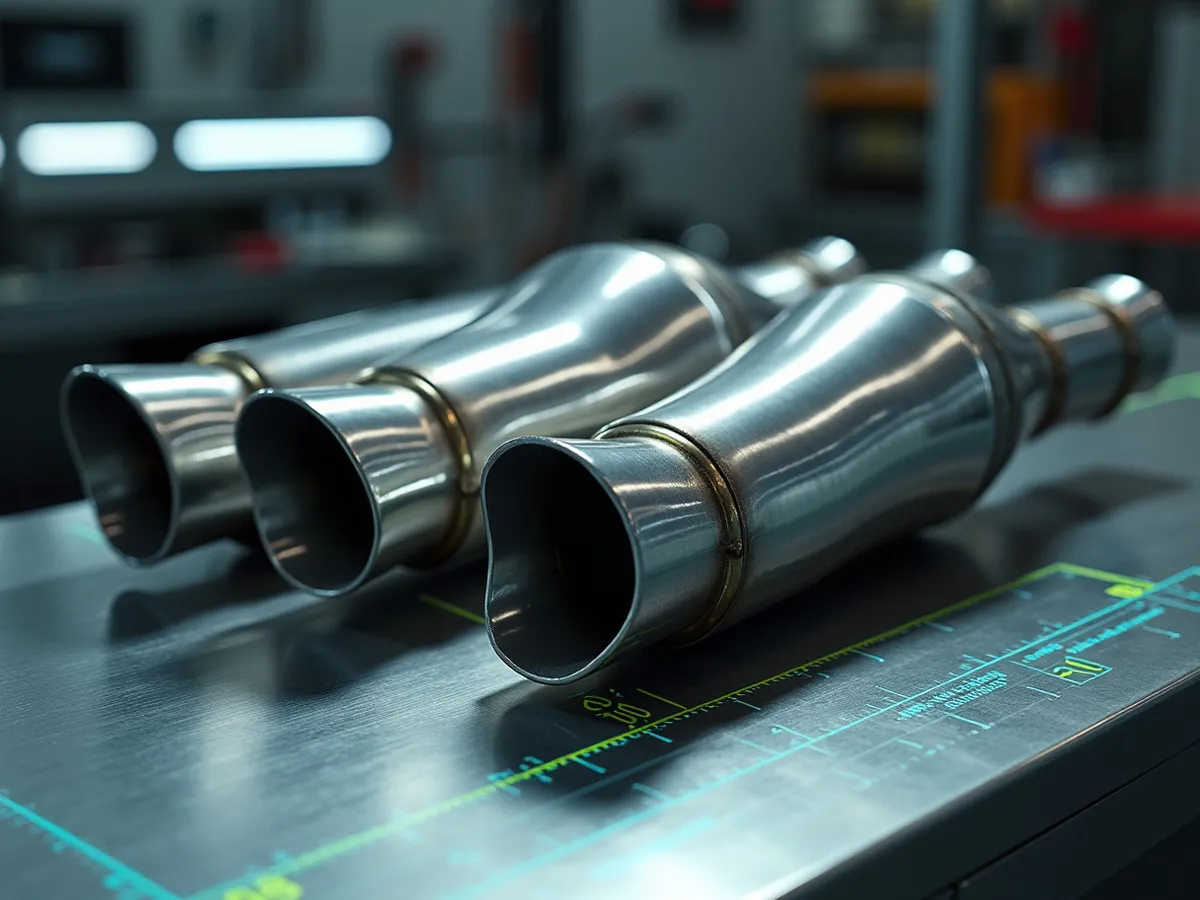
Black Widow Muffler
The Black Widow Muffler line covers a range of chambered and straight-through performance mufflers — a guide to which body suits your truck, what size to order and how each one sounds before you buy.
$120–$240 varies by year, make and trim
-
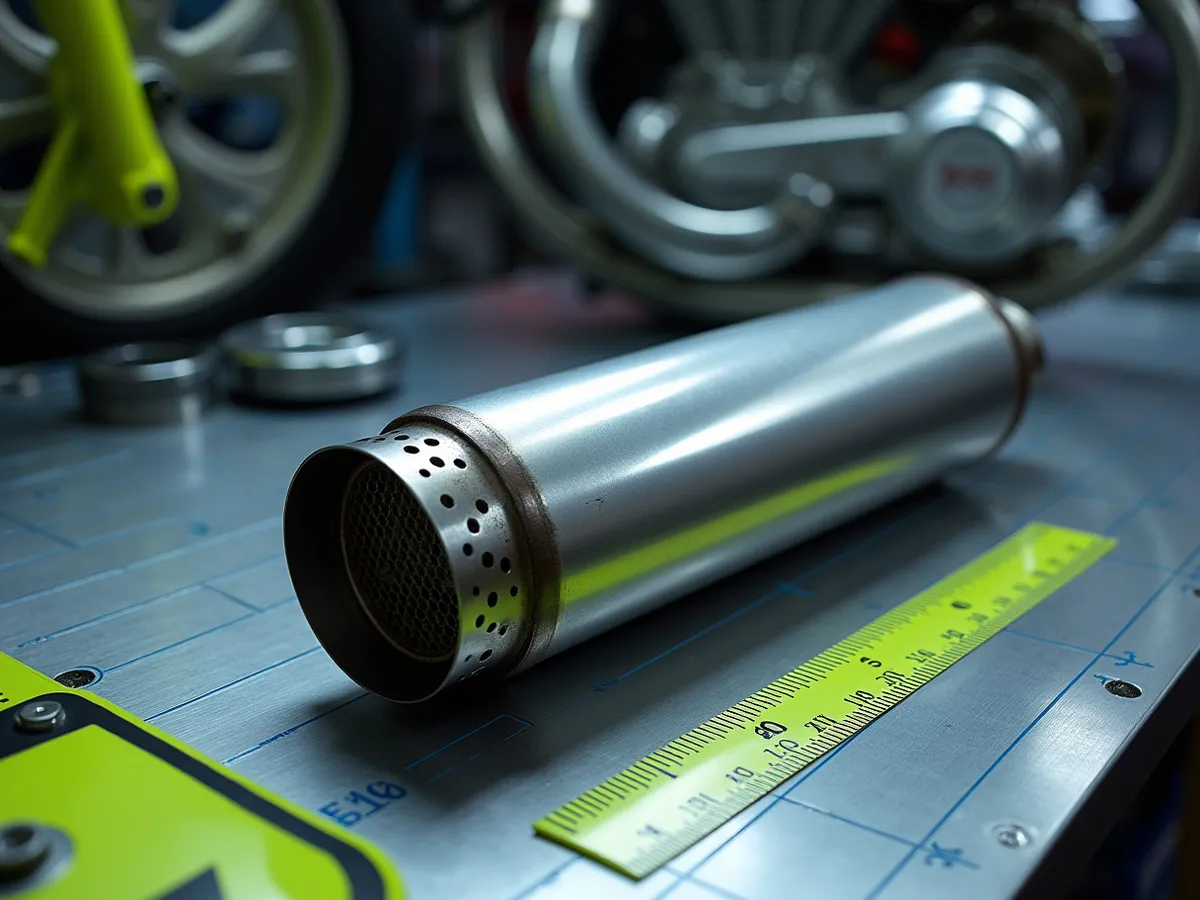
Dynomax Race Mini Bullet Muffler
The Dynomax Race Mini Bullet Muffler is a short, straight-through bullet muffler for race cars, hot rods and off-road trucks — a weld-in unit that cuts noise a little while keeping the flow a race engine needs.
$60–$130 varies by year, make and trim
-
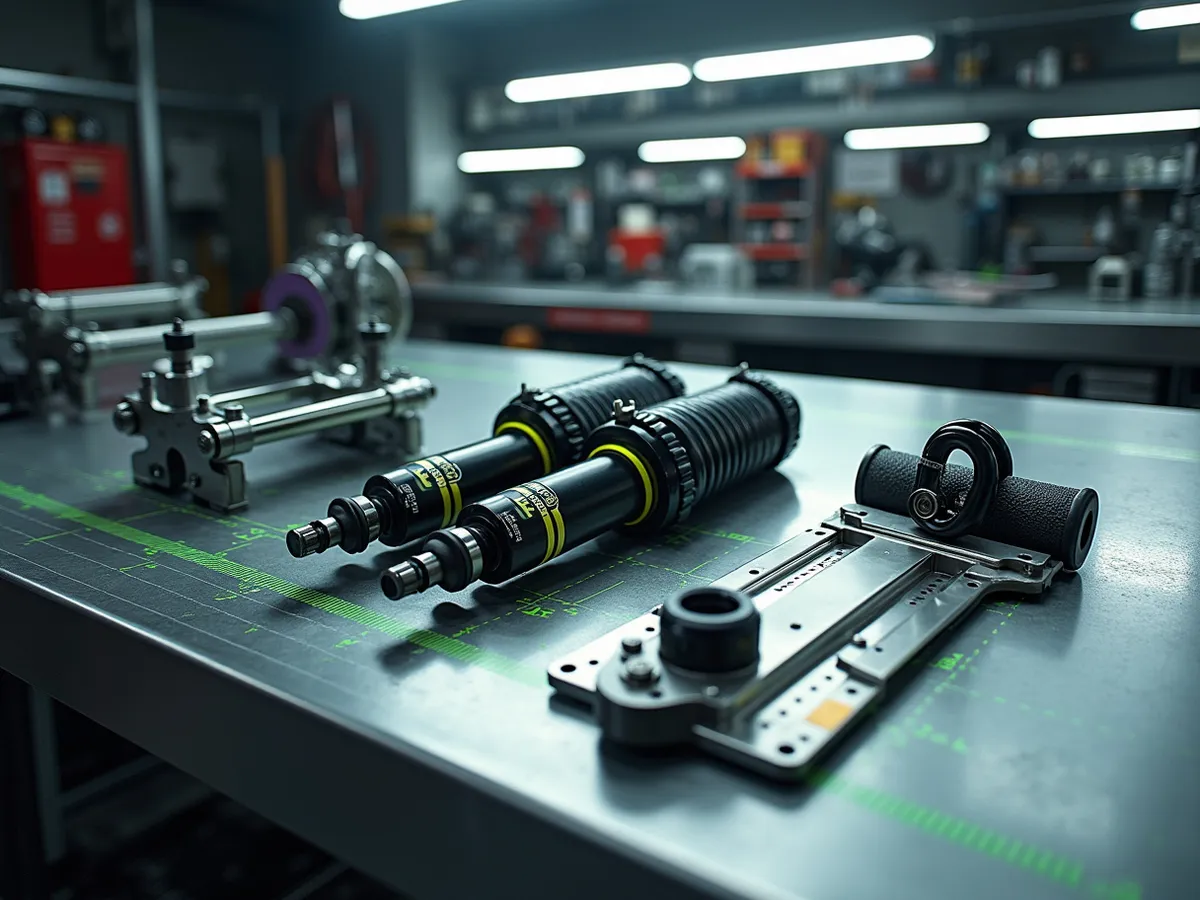
Four-Wheel-Drive Off-Road Parts
Four-wheel-drive off-road parts covering armor, recovery, lighting, suspension and tires — what each does, what fits your 4x4 and how an off-road build is sequenced so you buy it once.
$280–$850 varies by year, make and trim
-
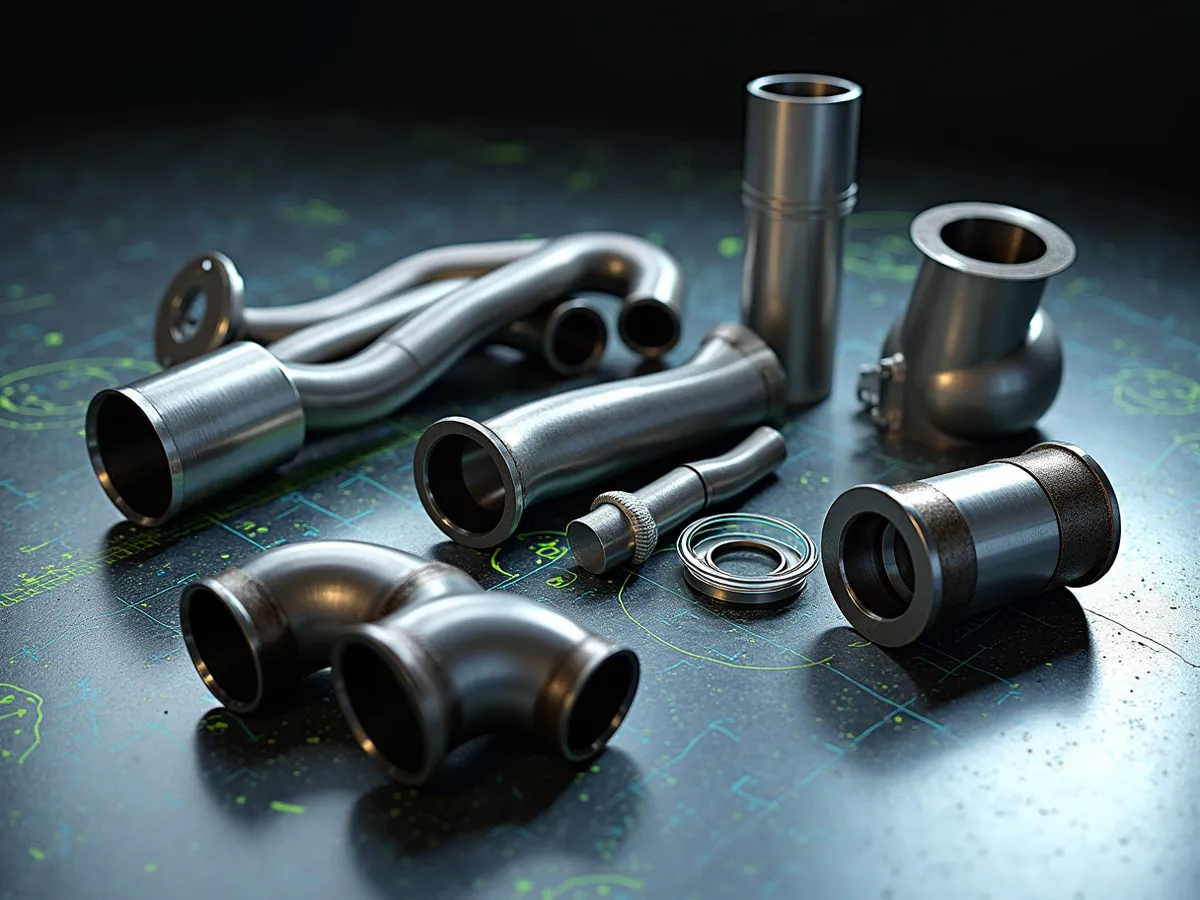
Four-Wheel-Drive Performance Parts
Four-wheel-drive performance parts covering intake, exhaust, headers, tuning and forced induction — where the real gain on a truck or 4x4 comes from and how to stack upgrades in the right order.
$280–$700 varies by year, make and trim
-
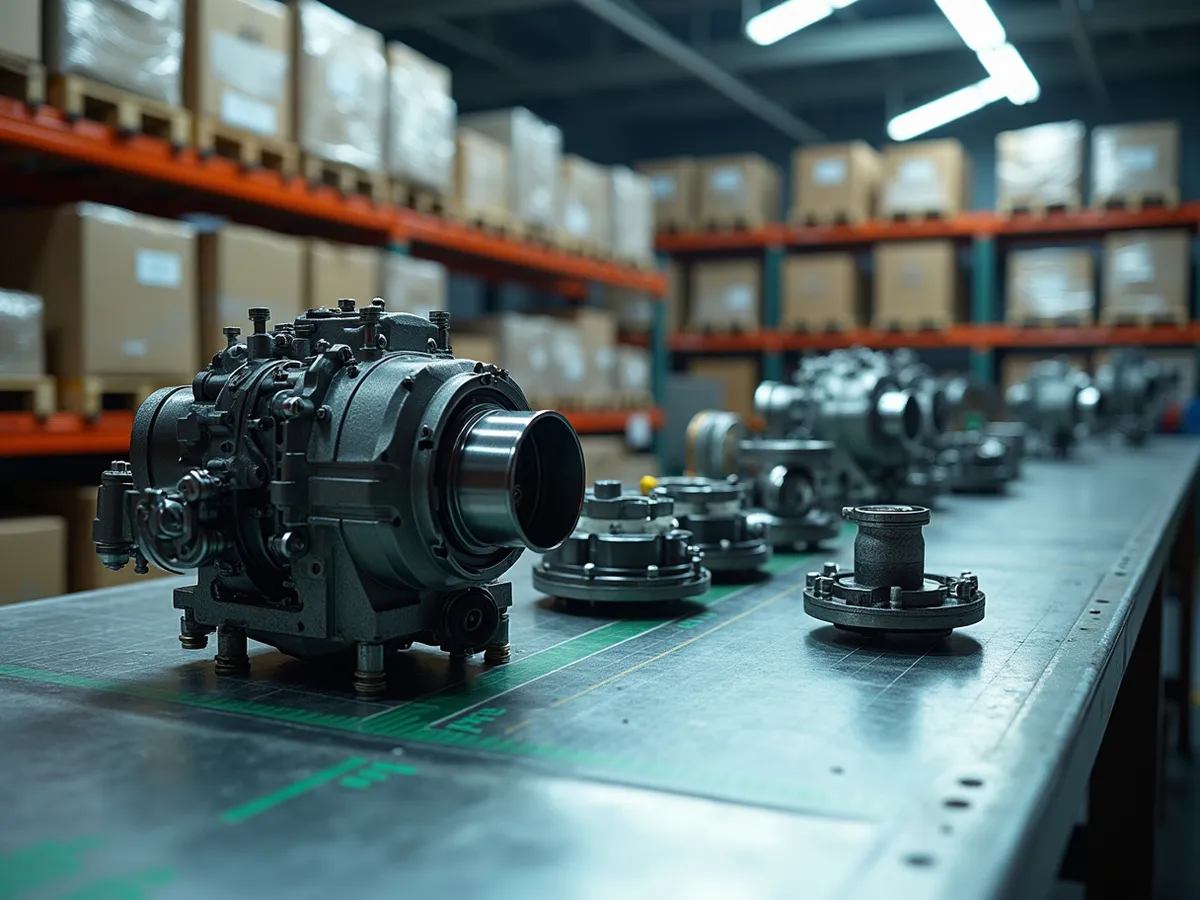
Four-Wheel Parts Wholesale
Four-wheel parts wholesale for shops, installers, fleets and resellers — how volume ordering works, what categories move in bulk and how wholesale pricing is quoted honestly as a range.
$180–$420 varies by year, make and trim
-
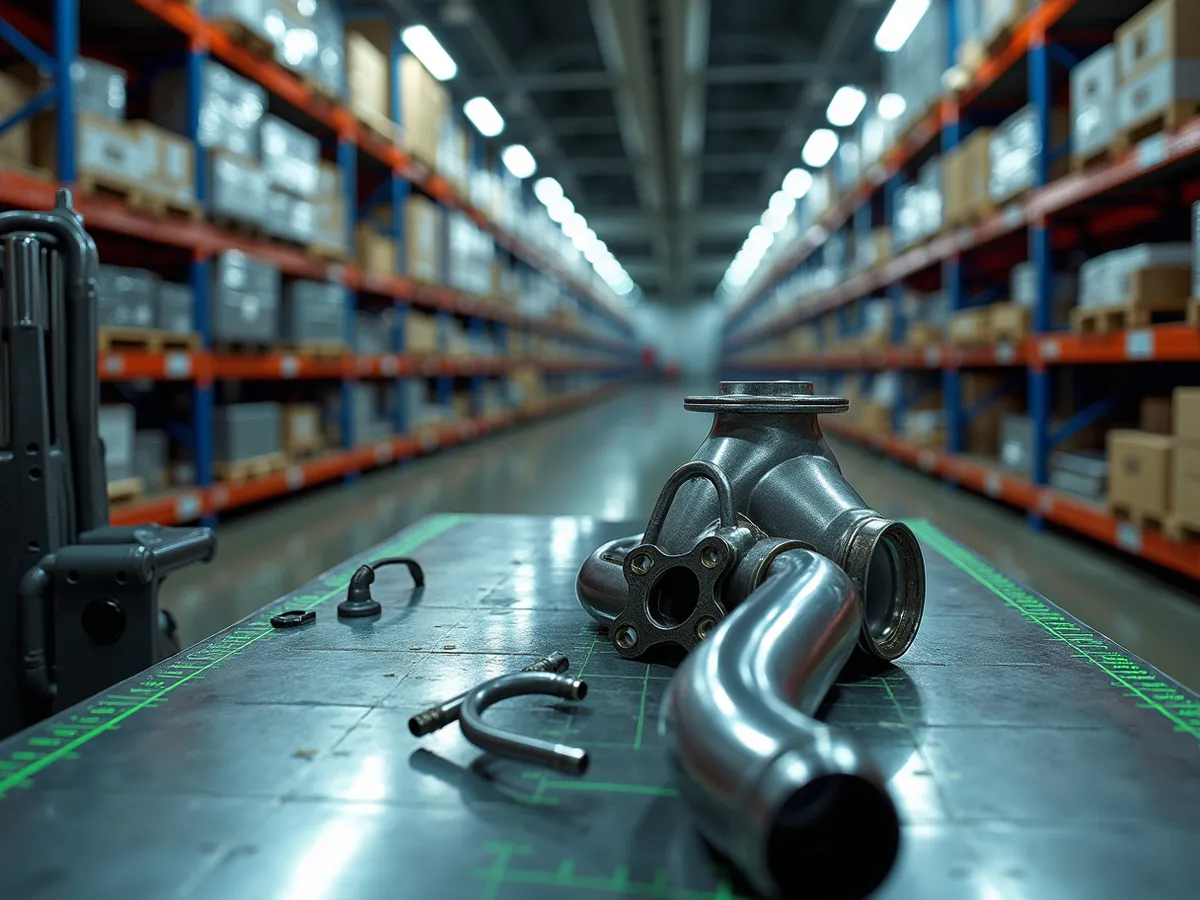
Four-Wheel Parts Wholesalers
Four-wheel parts wholesalers explained — how the parts trade sources through distributors and importers, how backorders are handled and how a shop or owner gets a part that is not on a retail shelf.
$180–$450 varies by year, make and trim
-
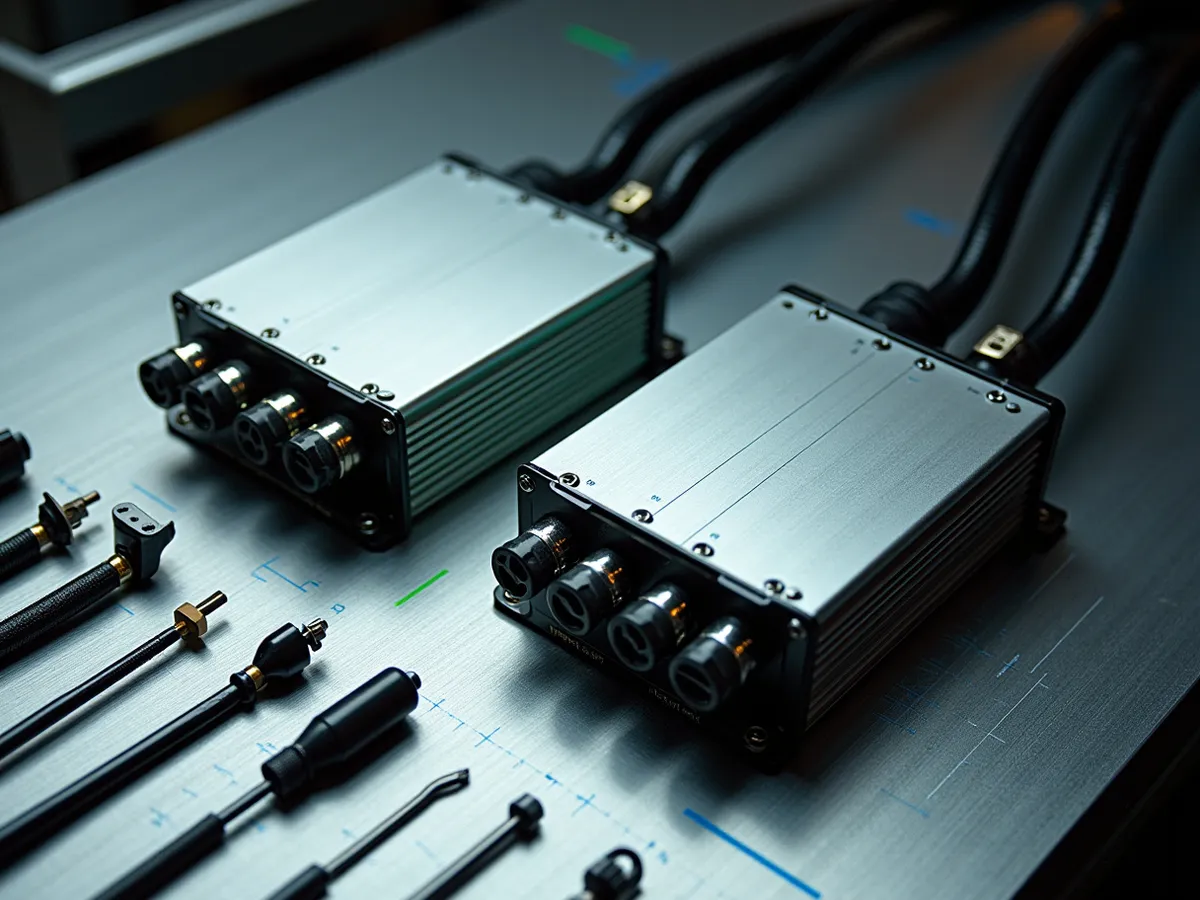
Hidden Performance Tuning
Hidden performance tuning is the quiet side of going faster — tunes, throttle controllers and intake work that add response without a loud exhaust or a visible part, for owners who want the gain, not the noise.
$180–$420 varies by year, make and trim


The parts counter
How an order runs here.
-
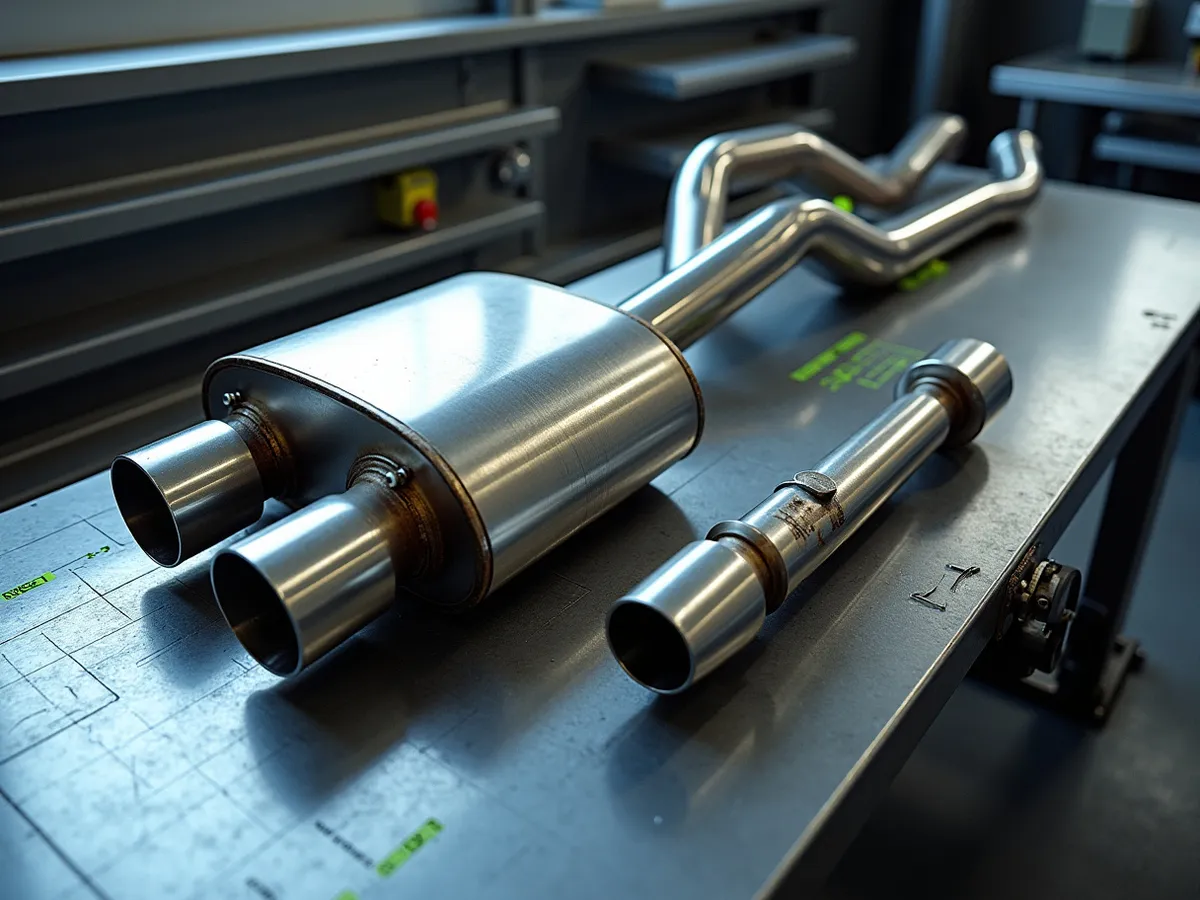
Performance Exhaust Systems
Cat-back and axle-back exhaust systems we stock and special-order for trucks and SUVs, plus chambered and straight-through mufflers, headers and tips, all matched to your engine and pipe size before a part is bought.
-
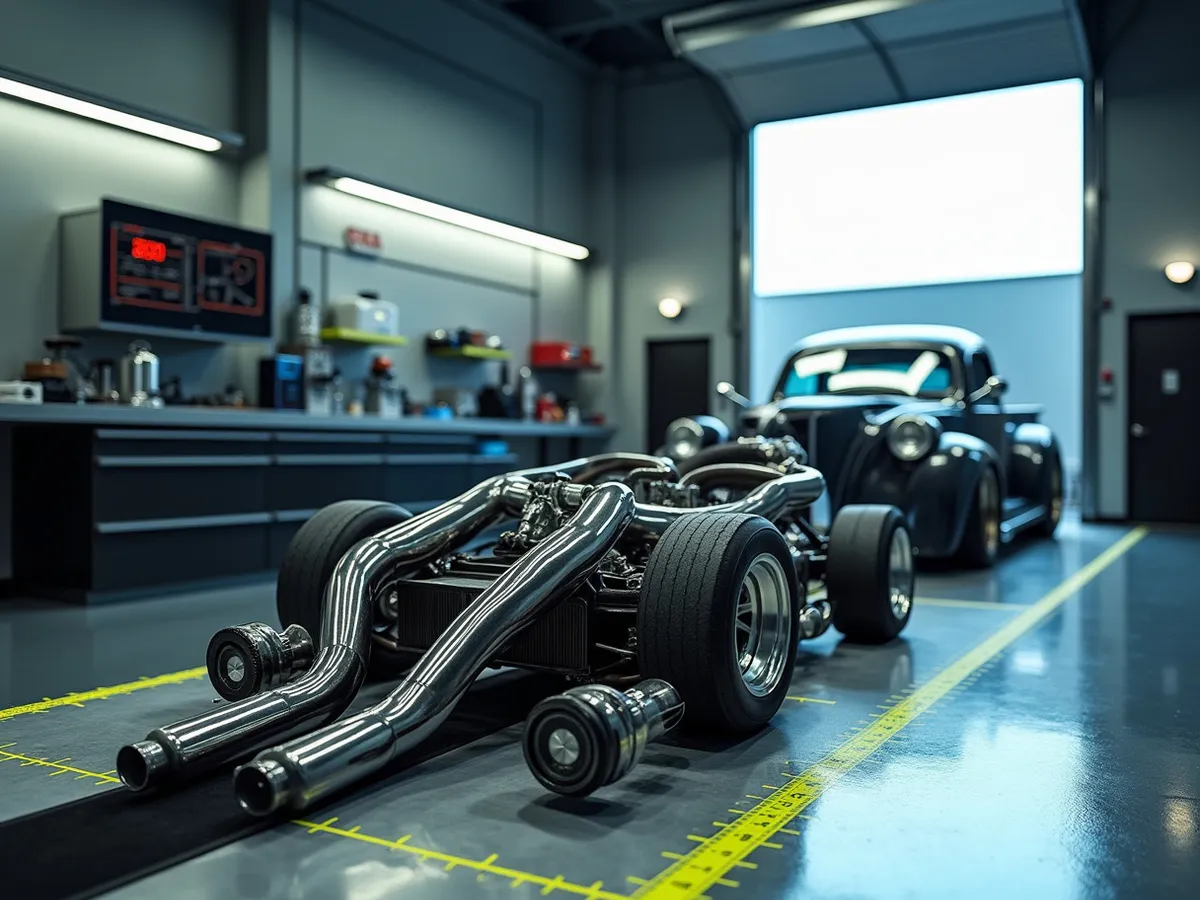
4-Wheel Parts Near Me
Four-wheel-drive parts for the driveline — hubs, CV axles, driveshafts, differentials, transfer-case service parts and lockers — stocked or special-ordered and confirmed against your axle and trim before anything is bought.
-
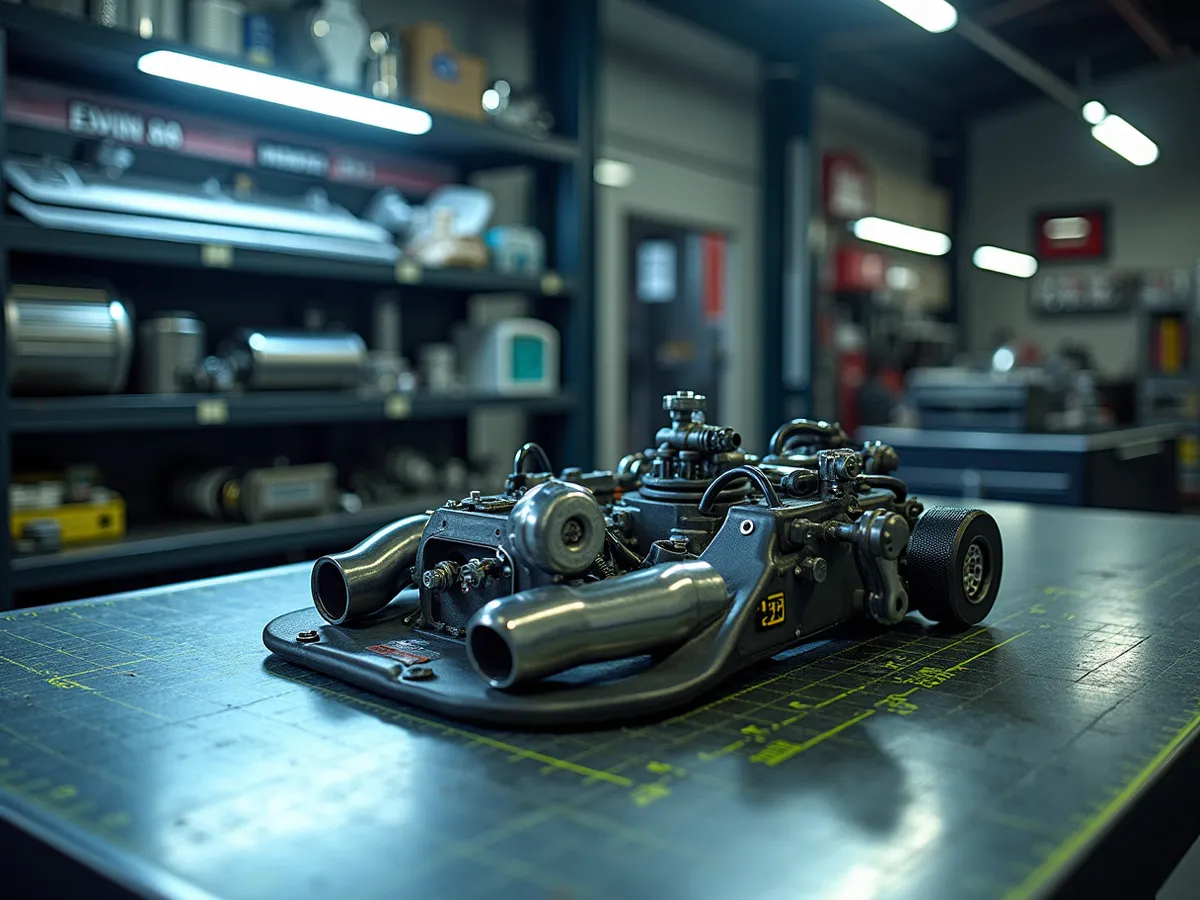
4x4 Parts and Accessories Near Me
The bolt-on side of a 4x4 build — bumpers, sliders, skid plates, roof racks, lighting, winches and step bars — supplied and fitted so the accessory matches the body, the sensors and the load you carry.
-
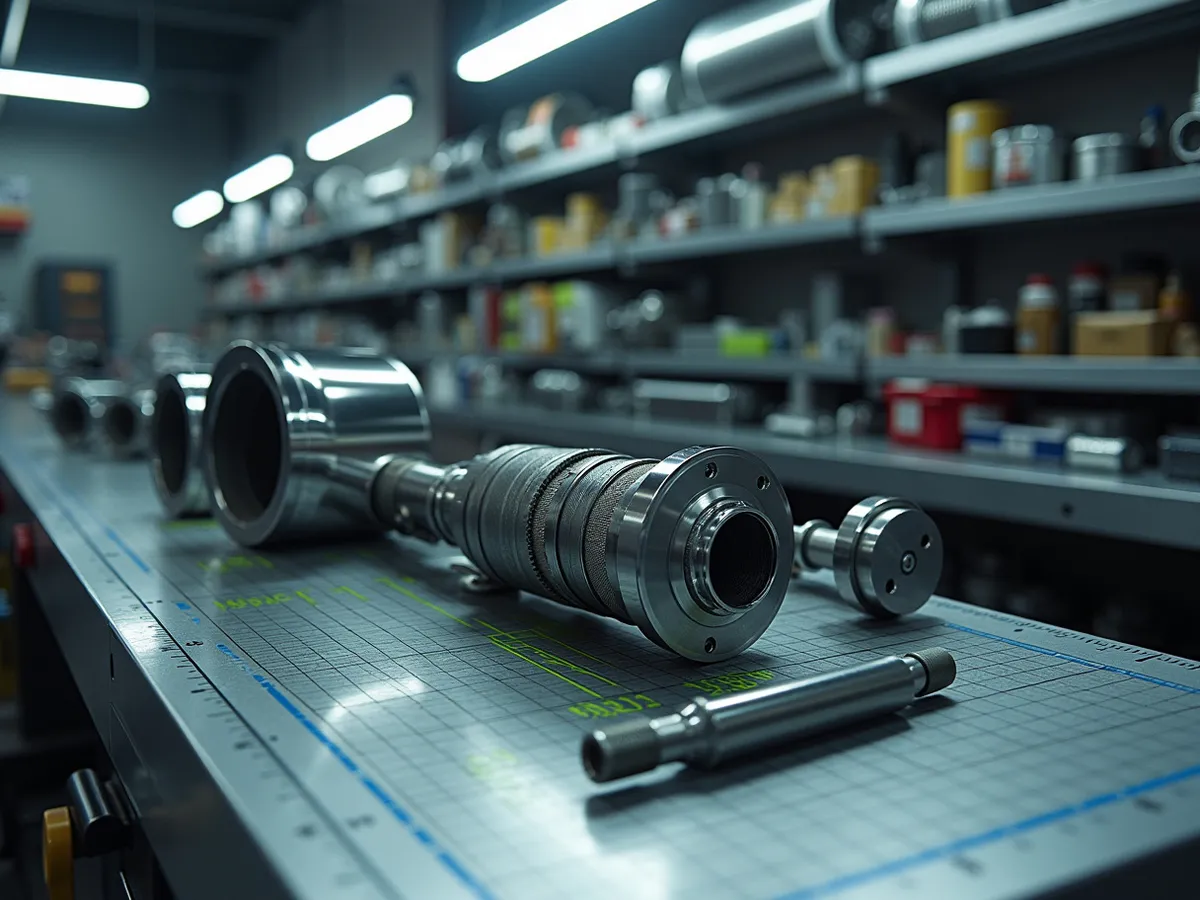
4x4 Parts Near Me
The performance and capability side of a 4x4 — suspension and lift components, lockers, gearing, wheels and tires and recovery basics — supplied and confirmed against your axle, springs and trim before a part is ordered.
-
Offroad Parts Near Me
Offroad and overland parts chosen for the trail — recovery gear, shocks and long-travel suspension, lighting, on-board air and comms — supplied and matched to how far off the pavement your rig is asked to go.
-
Truck Part Stores Near Me
The counter side of truck parts — brakes, filters, belts, batteries, exhaust and suspension replacements, plus performance and accessory orders — stocked or brought in and confirmed against your engine, axle and trim.


Parts and performance guides
Plain answers before you order anything.
-
Exhaust System Cost Guide
A complete exhaust job on a truck or SUV runs from about $180 for a muffler swap to $1,900 for a stainless cat-back with headers, and most single-system jobs land between $400 and $1,100 installed.
-
How to Choose 4x4 Parts
Choosing 4x4 parts starts with the application, not the price tag, because a part that fits your axle, springs and tires is worth more than a cheaper one that almost works.
From the bay


Questions about this part
Do I need a tune once an intake and exhaust are fitted?
It is strongly recommended, because the airflow has changed. Without a tune the engine runs a stock map and leaves the improvement mostly unused.
Will a tune void my warranty?
It can affect the powertrain warranty if the failure traces back to it. We explain that honestly and keep the factory calibration so the truck can return to stock.
How much power does a tune add?
On a turbo engine, a real and noticeable amount. On a naturally aspirated V6 or V8, mainly throttle response and shift quality rather than peak power.
Is a dyno tune worth the extra cost?
On a boosted or heavily modified build, yes, because it develops the calibration under controlled load. On a stock daily, a street tune is often enough.
Can you tune my diesel?
We can, carefully, because modern diesel tuning is limited by emissions controls. We tell you what is possible rather than promise a number.
How long does a dyno session take?
It depends on the build and how the engine responds, so we quote it as a range. A mild build is shorter than a boosted one that needs several revisions.
Why drivers buy their parts from RGV 4x4 Supplies
- Parts confirmed against your exact year, engine, axle and trim before ordering.
- A written estimate that separates the part, the hardware and the fitting.
- A shelf that stocks the everyday repair and orders the performance part in.
- A fitment check after the first miles, because clamps and seals settle.
Request a parts quote
Tell us the truck and what part you need.